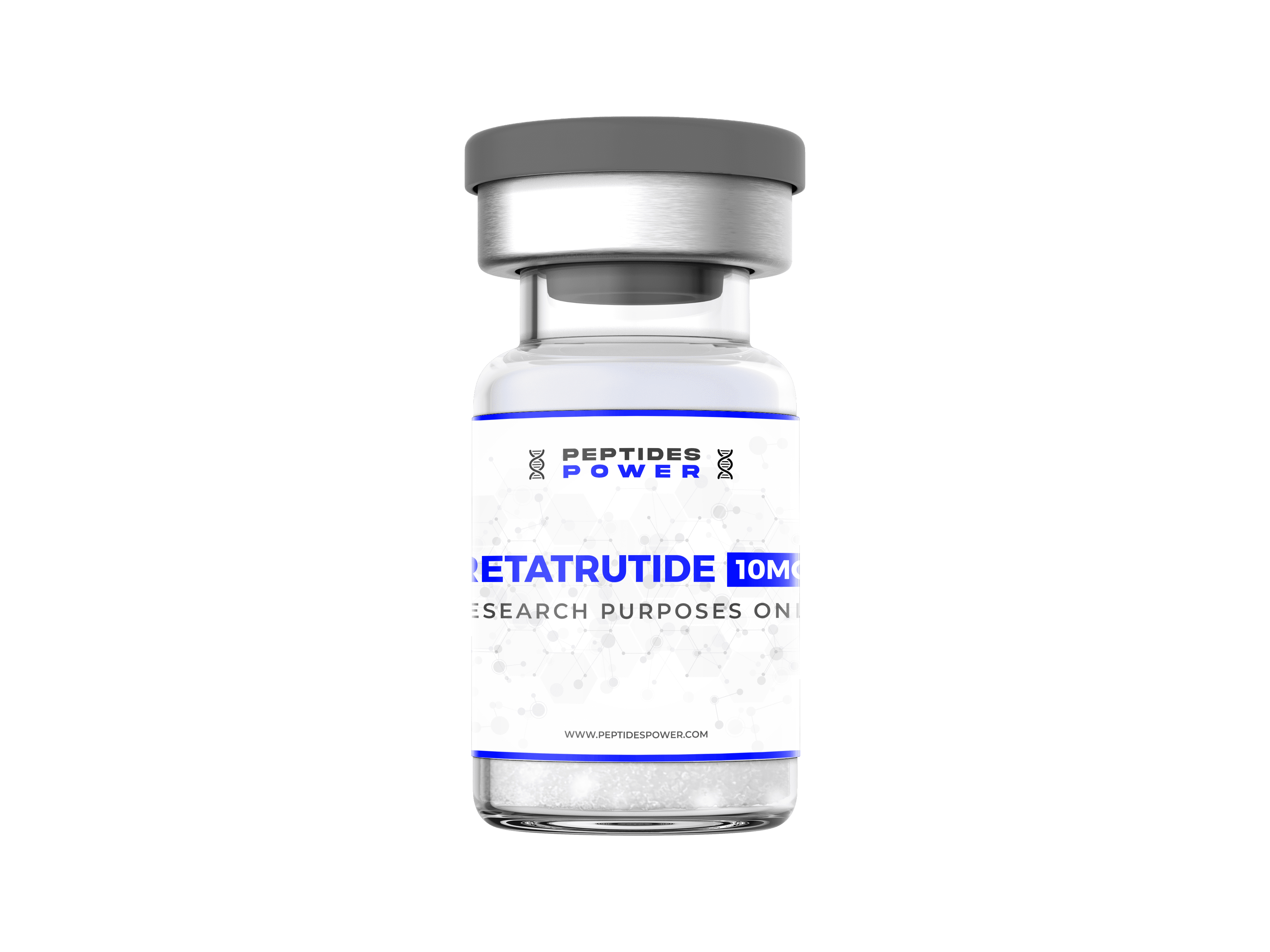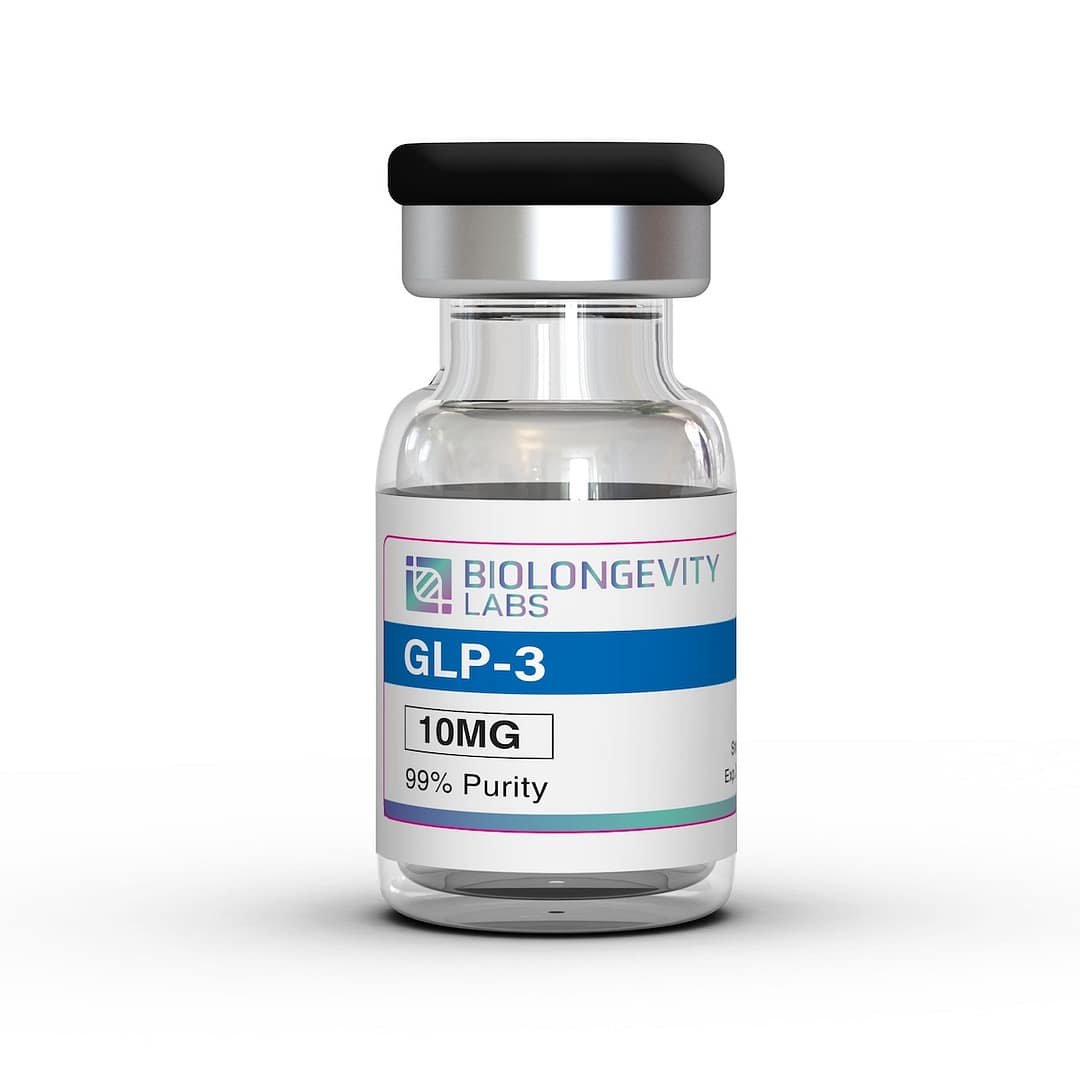
I have not had very good experiences with GLP-1 drugs. The appetite suppression was nice, but the gastrointestinal side effects were a deal breaker. Semaglutide and Tirzepatide both shut down my digestive system. My wife has been on Retatrutide for a few months with very good results. I need to lose some stubborn belly fat, so I decided to give it a try. After 2 weeks of use, I have lost 8 pounds and have zero side effects. Retatrutide is not yet FDA approved but has gone through clinical trials and has so far been deemed safe and effective. This drug is a GLP-1, GIP and Glucagon Receptor activator.
So far so good... we'll see how it goes.

Could a single weekly injection deliver unprecedented weight loss while preserving muscle mass and improving cardiovascular health? For men on testosterone replacement therapy (TRT) struggling with stubborn body fat despite optimized hormone levels, this question has taken on profound significance. Retatrutide, a groundbreaking triple hormone receptor agonist, is reshaping our understanding of metabolic pharmacotherapy and offering hope where previous GLP-1 medications have fallen short.
The December 2024 release of Phase 3 TRIUMPH-4 trial results marked a watershed moment in obesity medicine: participants on the highest dose achieved an average weight loss of 28.7% over 68 weeks—the most substantial efficacy demonstrated in any obesity trial to date. Beyond the numbers, retatrutide addresses a critical concern for TRT patients: the quality of weight loss. While traditional GLP-1 medications have shown impressive weight reduction, concerns about muscle loss have tempered enthusiasm among men focused on body composition optimization.
While some lean tissue loss remains inevitable during substantial caloric deficits, retatrutide demonstrated greater reduction of visceral adipose tissue compared to subcutaneous fat. The 12 mg dose achieved mean fat mass reduction of 26.1% over 36 weeks in the diabetic population, with preferential targeting of metabolically active fat depots.
Comparison of Body Composition Changes Across Weight Loss Interventions
For men on TRT, these findings suggest that retatrutide delivers substantial fat loss without disproportionate muscle sacrifice compared to other interventions. However, the absolute amount of lean tissue lost—potentially 15-20 pounds for someone losing 70 pounds total—underscores the critical importance of resistance training and adequate protein intake during treatment.
Retatrutide for Men on TRT: What the Triple Agonist Means for Fat Loss, Muscle Preservation, and Metabolic Health
Curated By Nelson Vergel | ExcelMale.com | Updated February 2026
Summary: Retatrutide is a first-in-class triple hormone receptor agonist (GIP/GLP-1/glucagon) from Eli Lilly that delivered an average 28.7% body weight loss in its Phase 3 TRIUMPH-4 trial—the highest recorded in any obesity medication trial to date. For men on testosterone replacement therapy (TRT), retatrutide offers a compelling combination of profound fat loss with preferential visceral fat reduction, a body composition profile comparable to bariatric surgery, and potential synergy with testosterone’s anabolic effects. This guide examines the clinical evidence, real-world experiences from the ExcelMale community, practical dosing protocols, side effect management, and key considerations for men integrating this medication with their TRT regimen. Retatrutide remains investigational and is not yet FDA-approved; seven additional Phase 3 trials are expected to report results in 2026.
In 30 years of advocacy, I’ve heard from thousands of men who describe the same frustration: they’ve dialed in their testosterone, committed to the gym, and cleaned up their diet—yet the belly fat persists. Semaglutide and tirzepatide opened doors for many of these men, but gastrointestinal side effects forced a significant number to abandon treatment. Others achieved meaningful weight loss only to watch their lean mass decline alongside their fat. Retatrutide addresses both of these limitations through its unique triple-receptor mechanism, and the clinical data emerging from Eli Lilly’s TRIUMPH program is, frankly, the most impressive I’ve seen in decades of following metabolic medicine.
This article provides a comprehensive, evidence-based guide to retatrutide for men on TRT. We’ll examine the science behind its triple-agonist mechanism, break down the Phase 2 and Phase 3 clinical trial results, address the critical question of muscle preservation, review side effects including a novel safety signal, and offer practical guidance for those considering this medication. Throughout, we’ll integrate insights from the ExcelMale community—real men sharing real experiences that clinical trial data alone cannot capture.
For men on TRT, that last point deserves emphasis. Visceral fat is rich in aromatase, the enzyme that converts testosterone to estradiol. Reducing visceral fat stores can meaningfully reduce estradiol conversion, potentially improving the testosterone-to-estradiol ratio without requiring aromatase inhibitor medications. This creates a virtuous metabolic cycle: less visceral fat means less aromatization, which means more bioavailable testosterone, which means better muscle preservation and further fat loss.
• 12 mg dose: 28.7% average weight loss (32.3 kg / 71.2 lbs from a baseline of 248.5 lbs)
• 9 mg dose: 26.4% average weight loss (29.1 kg / 64.2 lbs)
• Placebo: 2.1% weight loss
• Nearly half of participants on the 12 mg dose lost at least 25% of their body weight; approximately one quarter exceeded 30%
To put these numbers in context, an average weight loss of 71 pounds approaches outcomes typically associated with bariatric surgery procedures like sleeve gastrectomy. The 28.7% weight reduction substantially exceeds tirzepatide’s 20.2% at 72 weeks and semaglutide’s 14.9% at 68 weeks. For a 250-pound man, this translates to roughly 72 pounds of weight loss versus 50 pounds on tirzepatide or 37 pounds on semaglutide—differences that are clinically and personally meaningful.
Body Composition Comparison Across Weight Loss Interventions
For men on TRT, these proportions are more favorable than semaglutide’s profile and comparable to tirzepatide and bariatric surgery. However, the absolute amount of lean tissue lost still demands attention. A man losing 70 pounds total would lose approximately 17–18 pounds of lean mass. This makes resistance training and protein optimization not just recommended but essential. The anabolic stimulus from testosterone therapy provides a meaningful advantage here—one that clinical trial participants, most of whom were not on TRT, did not have.
• Protein intake of 1.2–1.6 g/kg body weight daily, distributed across 3–4 meals, with at least 30–40 g per meal to maximize muscle protein synthesis
• Resistance training at least 2–3 times per week targeting all major muscle groups with progressive overload
• Prioritize protein-dense foods even when appetite is suppressed—several community members report difficulty eating meat on retatrutide, making protein shakes and high-protein dairy particularly valuable
• Monitor body composition with DEXA scans rather than relying solely on scale weight, which cannot distinguish fat loss from lean mass loss
For men on TRT, this finding has particular clinical relevance. Elevated liver enzymes are common in this population, and many men with metabolic syndrome carry undiagnosed fatty liver disease. Retatrutide’s direct glucagon receptor engagement in hepatocytes—liver cells express high concentrations of glucagon receptors—provides a mechanism of action that pure GLP-1 agonists cannot match. This positions retatrutide as potentially the most effective pharmacological intervention for MASLD available, surpassing even dedicated MASLD therapies currently in development.
Discontinuation rates due to adverse events were 12.2% for the 9 mg dose and 18.2% for the 12 mg dose, compared with 4% for placebo. Notably, Eli Lilly reported that discontinuation rates correlated strongly with baseline BMI and included participants who discontinued due to “perceived excessive weight loss”—a rather unusual reason for stopping an obesity medication. Among those with higher baseline BMI, discontinuation rates were lower.
The mechanism remains under investigation. Theories include glucagon receptor effects on peripheral nerve function, metabolic changes associated with rapid fat mobilization, or potential neurological effects related to the speed and magnitude of weight loss. Men considering retatrutide should be aware of this potential side effect and report any unusual sensory changes to their healthcare provider.
ExcelMale community members report variable tolerance to escalation speed. Some individuals—particularly those with prior GLP-1 intolerance—benefit from even slower titration, extending early dose phases to 6–8 weeks before advancing. One member started at just 1 mg and gradually worked up to 4 mg over two months, achieving 20+ pounds of weight loss with virtually no side effects. Others have experimented with twice-weekly dosing at lower doses (e.g., 2×2 mg or 2×3 mg weekly) rather than a single weekly injection, reporting smoother appetite suppression and fewer GI issues.
Emerging evidence suggests an additional layer of synergy. A 2025 Endocrine Society presentation found that GLP-1 medications may raise endogenous testosterone levels in obese men through visceral fat reduction—primarily by reducing aromatase-mediated conversion of testosterone to estradiol. For men already on TRT, the same mechanism would reduce excess estradiol production, potentially improving the testosterone-to-estradiol ratio and reducing the need for aromatase inhibitor co-therapy.
• Comprehensive metabolic panel including liver function tests (ALT, AST), kidney function, and fasting glucose every 3–6 months
• Lipid panel to track cardiovascular improvements and guide statin therapy adjustments
• Estradiol levels, as significant visceral fat loss may reduce aromatization and alter E2 requirements
• Body composition assessment via DEXA scan at baseline and every 6 months
• Blood glucose including HbA1c, particularly if pre-diabetic or diabetic
• Heart rate, as mild increases (2–4 bpm) are expected and should be documented
Based on typical FDA timelines, regulatory submission (NDA filing) is projected for late 2026, with potential FDA approval in late 2026 to mid-2027. Upon approval, pricing is expected to be comparable to or exceeding tirzepatide’s current list price of approximately $1,000 per month. Insurance coverage will depend on formulary decisions and remains uncertain.
Some ExcelMale community members report using retatrutide obtained from peptide suppliers and underground lab sources prior to FDA approval. This practice carries significant risks, including quality control variability, potential contamination, incorrect dosing, and legal ambiguity. The FDA has issued warnings about counterfeit versions of other weight loss peptides, and similar concerns will extend to retatrutide. Men considering early access should weigh these risks carefully and discuss them openly with their healthcare providers.
• Retatrutide: The Next Generation Triple Agonist Transforming Weight Management — Comprehensive overview article with community discussion of dosing, side effects, and body composition effects.
• Retatrutide – A Game Changer in Obesity Pharmacotherapy — Community members share real-world dosing experiences, GI tolerability comparisons, and weight loss results.
• Retatrutide Experiences — One of the earliest ExcelMale retatrutide experience threads, including a member’s wife losing 50 lbs over 6 months.
• Stacking with Retatrutide — Discussion of combining retatrutide with other peptides including BPC-157, MOTS-c, and growth hormone secretagogues.
• On Retatrutide and Not Feeling Effects — Troubleshooting thread for members not experiencing expected appetite suppression at initial doses.
• Looking for Retatrutide Experiences — Broader community experience thread with sourcing information and practical tips.
1. Jastreboff AM, Kaplan LM, Frías JP, et al. Triple–Hormone-Receptor Agonist Retatrutide for Obesity — A Phase 2 Trial. N Engl J Med. 2023;389(6):514-526. https://www.nejm.org/doi/full/10.1056/NEJMoa2301972
2. Rosenstock J, Frias J, Jastreboff AM, et al. Retatrutide, a GIP, GLP-1 and glucagon receptor agonist, for people with type 2 diabetes. Lancet. 2023;402(10401):529-544. https://pubmed.ncbi.nlm.nih.gov/37356446/
3. Eli Lilly. Retatrutide delivered weight loss of up to 71.2 lbs in TRIUMPH-4 Phase 3 trial. December 11, 2025. https://investor.lilly.com/news-releases/news-release-details/lillys-triple-agonist-retatrutide-delivered-weight-loss-average
4. Coskun T, Wu Q, Schloot NC, et al. Effects of retatrutide on body composition in people with type 2 diabetes. Lancet Diabetes Endocrinol. 2025;13(8):674-684. https://www.thelancet.com/journals/landia/article/PIIS2213-8587(25)00092-0/abstract
5. Sanyal AJ, Kaplan LM, Frias JP, et al. Triple hormone receptor agonist retatrutide for metabolic dysfunction-associated steatotic liver disease. Nat Med. 2024;30:2037-2048. https://www.nature.com/articles/s41591-024-03018-2
6. Katsi V, Koutsopoulos G, Fragoulis C, et al. Retatrutide—A Game Changer in Obesity Pharmacotherapy. Biomolecules. 2025;15(6):796. https://pmc.ncbi.nlm.nih.gov/articles/PMC12190491/
7. Giblin K, Kaplan LM, Somers VK, et al. Retatrutide for the treatment of obesity, obstructive sleep apnea and knee osteoarthritis: Rationale and design of the TRIUMPH clinical trials. Diabetes Obes Metab. 2026;28(1):83-93. https://pubmed.ncbi.nlm.nih.gov/41090431/
8. Xiao YJ, Wang YN, Yu LX, et al. Efficacy and safety of retatrutide: a systematic review and meta-analysis of randomized controlled trials. Proc (Bayl Univ Med Cent). 2025. https://pmc.ncbi.nlm.nih.gov/articles/PMC12026077/
9. Garvey WT, et al. Triple Receptor Agonist Retatrutide: A Potential Breakthrough in Obesity Pharmacotherapy. Am J Lifestyle Med. 2025;19(1):12-20. https://journals.sagepub.com/doi/10.1177/15598276251344827
10. Look M, Dunn JP, Kushner RF, et al. Body composition changes during weight reduction with tirzepatide in SURMOUNT-1. Diabetes Obes Metab. 2025;27(6):2720-2729. https://pubmed.ncbi.nlm.nih.gov/38584533/
So far so good... we'll see how it goes.
Could a single weekly injection deliver unprecedented weight loss while preserving muscle mass and improving cardiovascular health? For men on testosterone replacement therapy (TRT) struggling with stubborn body fat despite optimized hormone levels, this question has taken on profound significance. Retatrutide, a groundbreaking triple hormone receptor agonist, is reshaping our understanding of metabolic pharmacotherapy and offering hope where previous GLP-1 medications have fallen short.
The December 2024 release of Phase 3 TRIUMPH-4 trial results marked a watershed moment in obesity medicine: participants on the highest dose achieved an average weight loss of 28.7% over 68 weeks—the most substantial efficacy demonstrated in any obesity trial to date. Beyond the numbers, retatrutide addresses a critical concern for TRT patients: the quality of weight loss. While traditional GLP-1 medications have shown impressive weight reduction, concerns about muscle loss have tempered enthusiasm among men focused on body composition optimization.
Body Composition Effects: Addressing the Muscle Loss Concern
For men on TRT committed to maintaining or building muscle mass, the body composition impact of any weight loss intervention demands scrutiny. The concern about lean mass loss with GLP-1 medications has been substantial, with some studies suggesting 25-40% of total weight loss comes from lean tissue.The Fat-to-Lean Loss Ratio
A June 2025 body composition substudy of retatrutide in people with type 2 diabetes provided reassuring data. Using dual-energy X-ray absorptiometry (DEXA) scanning—the gold standard for body composition assessment—researchers found that retatrutide's lean mass loss proportion aligned with other weight loss interventions, including bariatric surgery. Approximately 62-75% of weight loss came from fat mass, with 25-38% from lean mass.While some lean tissue loss remains inevitable during substantial caloric deficits, retatrutide demonstrated greater reduction of visceral adipose tissue compared to subcutaneous fat. The 12 mg dose achieved mean fat mass reduction of 26.1% over 36 weeks in the diabetic population, with preferential targeting of metabolically active fat depots.
Comparison of Body Composition Changes Across Weight Loss Interventions
Intervention | Total Weight Loss | Fat Mass Loss | Lean Mass Loss | Study Duration |
Retatrutide 12mg | 24.2-28.7% | ~75% | ~25% | 48-68 weeks |
Tirzepatide 15mg | 20.2-21.3% | ~75% | ~25% | 72 weeks |
Semaglutide 2.4mg | 14.9-17.4% | ~60% | ~40% | 68 weeks |
Bariatric Surgery | 25-32% | ~70% | ~30% | 12 months |
For men on TRT, these findings suggest that retatrutide delivers substantial fat loss without disproportionate muscle sacrifice compared to other interventions. However, the absolute amount of lean tissue lost—potentially 15-20 pounds for someone losing 70 pounds total—underscores the critical importance of resistance training and adequate protein intake during treatment.
Retatrutide for Men on TRT: What the Triple Agonist Means for Fat Loss, Muscle Preservation, and Metabolic Health
Curated By Nelson Vergel | ExcelMale.com | Updated February 2026
Summary: Retatrutide is a first-in-class triple hormone receptor agonist (GIP/GLP-1/glucagon) from Eli Lilly that delivered an average 28.7% body weight loss in its Phase 3 TRIUMPH-4 trial—the highest recorded in any obesity medication trial to date. For men on testosterone replacement therapy (TRT), retatrutide offers a compelling combination of profound fat loss with preferential visceral fat reduction, a body composition profile comparable to bariatric surgery, and potential synergy with testosterone’s anabolic effects. This guide examines the clinical evidence, real-world experiences from the ExcelMale community, practical dosing protocols, side effect management, and key considerations for men integrating this medication with their TRT regimen. Retatrutide remains investigational and is not yet FDA-approved; seven additional Phase 3 trials are expected to report results in 2026.
Introduction: Beyond GLP-1 Medications
What if the biggest barrier between you and the body composition you’ve been chasing isn’t your testosterone dose, your training program, or even your diet—but the pharmacological tools available to address metabolic dysfunction? For men on TRT who have optimized their hormone levels yet still battle stubborn visceral fat, insulin resistance, or the metabolic consequences of years spent overweight, the arrival of retatrutide represents more than just another weight loss drug. It represents a fundamentally different approach to metabolic therapy.In 30 years of advocacy, I’ve heard from thousands of men who describe the same frustration: they’ve dialed in their testosterone, committed to the gym, and cleaned up their diet—yet the belly fat persists. Semaglutide and tirzepatide opened doors for many of these men, but gastrointestinal side effects forced a significant number to abandon treatment. Others achieved meaningful weight loss only to watch their lean mass decline alongside their fat. Retatrutide addresses both of these limitations through its unique triple-receptor mechanism, and the clinical data emerging from Eli Lilly’s TRIUMPH program is, frankly, the most impressive I’ve seen in decades of following metabolic medicine.
This article provides a comprehensive, evidence-based guide to retatrutide for men on TRT. We’ll examine the science behind its triple-agonist mechanism, break down the Phase 2 and Phase 3 clinical trial results, address the critical question of muscle preservation, review side effects including a novel safety signal, and offer practical guidance for those considering this medication. Throughout, we’ll integrate insights from the ExcelMale community—real men sharing real experiences that clinical trial data alone cannot capture.
How Retatrutide Works: The Triple Agonist Advantage
To understand why retatrutide produces results that dwarf its predecessors, you need to understand what separates a triple agonist from the single- and dual-receptor medications already on the market. Semaglutide (Ozempic, Wegovy) activates only the GLP-1 receptor. Tirzepatide (Mounjaro, Zepbound) activates both GLP-1 and GIP receptors. Retatrutide activates all three—GLP-1, GIP, and glucagon receptors—creating a pharmacological trifecta that no other approved or investigational medication currently replicates.GLP-1 Receptor Activation
The GLP-1 component provides the foundation that most men on TRT are already familiar with from semaglutide and tirzepatide. GLP-1 receptor activation slows gastric emptying, producing sustained satiety after meals. It reduces appetite through direct effects on hypothalamic hunger centers. It enhances glucose-dependent insulin secretion, meaning it helps your body handle carbohydrates more efficiently without the dangerous hypoglycemia risk associated with insulin or sulfonylureas. For TRT patients, this translates to more stable blood sugar, reduced cravings, and a natural caloric deficit that doesn’t require white-knuckling through hunger.GIP Receptor Activation
Glucose-dependent insulinotropic polypeptide (GIP) activation works synergistically with GLP-1 to enhance insulin secretion and improve glucose metabolism. But GIP’s most relevant benefit for our population may be its apparent modulation of gastrointestinal tolerability. Multiple ExcelMale members who could not tolerate semaglutide or tirzepatide have reported markedly better GI tolerance on retatrutide. One member described his experience plainly: “I could not handle any semaglutide in the past, even 0.1 mg gave me hellish nausea and lethargy. But retatrutide is different—absolutely no nausea or lethargy, if anything a good energy boost.” Retatrutide shows the highest potency at the GIP receptor (EC50: 0.0643 nM), which may partly explain these tolerability advantages.Glucagon Receptor Activation: The Game Changer
The glucagon receptor component is what truly sets retatrutide apart. Glucagon’s metabolic effects are precisely what men on TRT struggling with stubborn body fat need most. Glucagon promotes hepatic fat oxidation—it literally tells your liver to burn fat. It increases energy expenditure through thermogenesis, particularly in brown adipose tissue. It enhances lipolysis in adipose tissue, mobilizing stored fat for fuel. And it preferentially targets visceral fat, the metabolically dangerous intra-abdominal adiposity that drives insulin resistance, cardiovascular risk, and excessive aromatase activity.For men on TRT, that last point deserves emphasis. Visceral fat is rich in aromatase, the enzyme that converts testosterone to estradiol. Reducing visceral fat stores can meaningfully reduce estradiol conversion, potentially improving the testosterone-to-estradiol ratio without requiring aromatase inhibitor medications. This creates a virtuous metabolic cycle: less visceral fat means less aromatization, which means more bioavailable testosterone, which means better muscle preservation and further fat loss.
Clinical Trial Results: Record-Breaking Efficacy
Phase 2 Results: Setting the Stage
The Phase 2 data published in the New England Journal of Medicine in 2023 by Jastreboff and colleagues first revealed retatrutide’s extraordinary potential. In 338 adults with obesity, the 12 mg dose produced 24.2% average weight loss at 48 weeks. Remarkably, 100% of participants on the 12 mg dose achieved at least 5% weight loss, 93% achieved 10% or more, and 83% exceeded 15% loss. A parallel trial by Rosenstock et al. in patients with type 2 diabetes showed up to 16.94% weight loss at 36 weeks alongside HbA1c reductions of up to 2.02%—substantially outperforming both placebo and the active comparator dulaglutide.Phase 3 TRIUMPH-4: Unprecedented Results
The December 2025 release of Phase 3 TRIUMPH-4 topline results shattered expectations. In 445 adults with obesity or overweight and knee osteoarthritis, retatrutide demonstrated the following at 68 weeks:• 12 mg dose: 28.7% average weight loss (32.3 kg / 71.2 lbs from a baseline of 248.5 lbs)
• 9 mg dose: 26.4% average weight loss (29.1 kg / 64.2 lbs)
• Placebo: 2.1% weight loss
• Nearly half of participants on the 12 mg dose lost at least 25% of their body weight; approximately one quarter exceeded 30%
To put these numbers in context, an average weight loss of 71 pounds approaches outcomes typically associated with bariatric surgery procedures like sleeve gastrectomy. The 28.7% weight reduction substantially exceeds tirzepatide’s 20.2% at 72 weeks and semaglutide’s 14.9% at 68 weeks. For a 250-pound man, this translates to roughly 72 pounds of weight loss versus 50 pounds on tirzepatide or 37 pounds on semaglutide—differences that are clinically and personally meaningful.
Cardiometabolic Benefits
TRIUMPH-4 also demonstrated significant improvements in cardiovascular risk markers. Non-HDL cholesterol, high-sensitivity C-reactive protein (hs-CRP), and triglycerides all decreased meaningfully. Approximately 40% of participants were able to discontinue at least one antihypertensive medication. For men on TRT—a population that clinicians have historically monitored closely for cardiovascular risk—these metabolic improvements offer reassurance that retatrutide complements rather than complicates cardiovascular health management.Body Composition: Fat Loss vs. Muscle Preservation on TRT
Ask any man on TRT about his biggest concern with weight loss medications and the answer is almost universal: Will I lose muscle? This is not an idle worry. Studies of semaglutide have suggested that up to 40% of total weight loss may come from lean tissue—an alarming proportion for men who have spent years building or maintaining muscle mass.What the Data Shows
A June 2025 body composition substudy published in The Lancet Diabetes & Endocrinology by Coskun et al. used DEXA scanning to evaluate retatrutide’s effects on fat and lean mass in people with type 2 diabetes. The findings were reassuring: approximately 62–75% of weight loss came from fat mass, with only 25–38% from lean mass. The 12 mg dose achieved a mean fat mass reduction of 26.1% over 36 weeks, with preferential targeting of visceral adipose tissue over subcutaneous fat.Body Composition Comparison Across Weight Loss Interventions
Intervention | Total Weight Loss | Fat Mass Loss | Lean Mass Loss | Duration |
| Retatrutide 12 mg | 24.2–28.7% | ~75% | ~25% | 48–68 weeks |
Tirzepatide 15 mg | 20.2–21.3% | ~75% | ~25% | 72 weeks |
Semaglutide 2.4 mg | 14.9–17.4% | ~60% | ~40% | 68 weeks |
Bariatric Surgery | 25–32% | ~70% | ~30% | 12 months |
For men on TRT, these proportions are more favorable than semaglutide’s profile and comparable to tirzepatide and bariatric surgery. However, the absolute amount of lean tissue lost still demands attention. A man losing 70 pounds total would lose approximately 17–18 pounds of lean mass. This makes resistance training and protein optimization not just recommended but essential. The anabolic stimulus from testosterone therapy provides a meaningful advantage here—one that clinical trial participants, most of whom were not on TRT, did not have.
Practical Muscle Preservation Protocol for Men on TRT
Based on the available evidence and community experience, men on TRT using retatrutide should prioritize the following strategies to minimize lean mass loss:• Protein intake of 1.2–1.6 g/kg body weight daily, distributed across 3–4 meals, with at least 30–40 g per meal to maximize muscle protein synthesis
• Resistance training at least 2–3 times per week targeting all major muscle groups with progressive overload
• Prioritize protein-dense foods even when appetite is suppressed—several community members report difficulty eating meat on retatrutide, making protein shakes and high-protein dairy particularly valuable
• Monitor body composition with DEXA scans rather than relying solely on scale weight, which cannot distinguish fat loss from lean mass loss
Liver Health: Dramatic Reduction in Fatty Liver Disease
One of retatrutide’s most impressive “secondary” benefits is its profound effect on metabolic dysfunction-associated steatotic liver disease (MASLD), formerly known as non-alcoholic fatty liver disease (NAFLD). A 2024 Nature Medicine study by Sanyal et al. evaluated 98 participants with at least 10% liver fat content. At 48 weeks, the 12 mg dose achieved an 86% mean reduction in hepatic fat, with 93% of participants normalizing their liver fat to below 5%. The 8 mg dose was nearly as effective, normalizing liver fat in 89% of participants.For men on TRT, this finding has particular clinical relevance. Elevated liver enzymes are common in this population, and many men with metabolic syndrome carry undiagnosed fatty liver disease. Retatrutide’s direct glucagon receptor engagement in hepatocytes—liver cells express high concentrations of glucagon receptors—provides a mechanism of action that pure GLP-1 agonists cannot match. This positions retatrutide as potentially the most effective pharmacological intervention for MASLD available, surpassing even dedicated MASLD therapies currently in development.
Side Effects and Safety Considerations
Gastrointestinal Effects
Like all incretin-based therapies, retatrutide’s most common side effects involve the GI system. In TRIUMPH-4, nausea occurred in approximately 43% of participants at higher doses, vomiting in 21%, and diarrhea in 33%. These effects were generally mild to moderate and most prominent during the dose escalation phase. Gradual titration—starting at 2 mg and escalating every four weeks—substantially reduces GI severity compared to aggressive dose escalation.Discontinuation rates due to adverse events were 12.2% for the 9 mg dose and 18.2% for the 12 mg dose, compared with 4% for placebo. Notably, Eli Lilly reported that discontinuation rates correlated strongly with baseline BMI and included participants who discontinued due to “perceived excessive weight loss”—a rather unusual reason for stopping an obesity medication. Among those with higher baseline BMI, discontinuation rates were lower.
Dysesthesia: A Novel Safety Signal
TRIUMPH-4 identified an unexpected adverse event not seen in Phase 2 trials: dysesthesia, or abnormal tactile sensations, occurred in 8.8% of participants on the 9 mg dose and 20.9% on the 12 mg dose, compared with just 0.7% on placebo. This skin sensitivity manifested as tingling, numbness, or hypersensitivity to touch, typically described as mild and not associated with visible skin changes. No participants discontinued specifically due to dysesthesia, suggesting manageable severity despite the relatively high prevalence at the 12 mg dose.The mechanism remains under investigation. Theories include glucagon receptor effects on peripheral nerve function, metabolic changes associated with rapid fat mobilization, or potential neurological effects related to the speed and magnitude of weight loss. Men considering retatrutide should be aware of this potential side effect and report any unusual sensory changes to their healthcare provider.
Libido and Sexual Function Considerations
ExcelMale community members have reported a mild reduction in libido while on retatrutide, with one member attributing this to possible dopamine modulation in the gut. This is consistent with anecdotal reports from other GLP-1 medications, which are known to affect reward-driven behaviors—including reduced cravings for alcohol, nicotine, and food. The reduction appears to be dose-related and generally described as mild. Men on TRT may have a buffer against this effect due to the libido-supporting properties of optimized testosterone levels, but it remains a consideration worth monitoring.Practical Dosing and Titration Guide
Clinical trials established dose-escalation protocols designed to minimize GI side effects while building toward optimal efficacy. The standard TRIUMPH protocol initiates at 2 mg weekly, increasing by one dose step every four weeks:Weeks | 9 mg Target | 12 mg Target | Notes |
| 1–4 | 2 mg | 2 mg | Assess tolerance |
5–8 | 4 mg | 4 mg | GI effects may peak |
9–12 | 6 mg | 6 mg | Adjust if needed |
13–16 | 9 mg (target) | 9 mg | Maintenance for 9 mg |
17+ | — | 12 mg (target) | Full maintenance |
ExcelMale community members report variable tolerance to escalation speed. Some individuals—particularly those with prior GLP-1 intolerance—benefit from even slower titration, extending early dose phases to 6–8 weeks before advancing. One member started at just 1 mg and gradually worked up to 4 mg over two months, achieving 20+ pounds of weight loss with virtually no side effects. Others have experimented with twice-weekly dosing at lower doses (e.g., 2×2 mg or 2×3 mg weekly) rather than a single weekly injection, reporting smoother appetite suppression and fewer GI issues.
Retatrutide and TRT: Potential Synergy for Body Recomposition
The combination of testosterone replacement and a potent incretin-based therapy like retatrutide creates a physiological environment uniquely suited to body recomposition—the simultaneous loss of fat and preservation (or gain) of lean muscle mass.How Testosterone Complements Retatrutide
Testosterone’s anabolic properties directly counter the lean mass loss that accompanies any significant caloric deficit. While retatrutide creates a powerful fat-burning metabolic environment through appetite reduction, enhanced energy expenditure, and preferential visceral fat mobilization, testosterone ensures that the anabolic signals for muscle protein synthesis remain robust. This is particularly important given that retatrutide users typically experience profound reductions in food intake, which without anabolic support could accelerate muscle catabolism.Emerging evidence suggests an additional layer of synergy. A 2025 Endocrine Society presentation found that GLP-1 medications may raise endogenous testosterone levels in obese men through visceral fat reduction—primarily by reducing aromatase-mediated conversion of testosterone to estradiol. For men already on TRT, the same mechanism would reduce excess estradiol production, potentially improving the testosterone-to-estradiol ratio and reducing the need for aromatase inhibitor co-therapy.
Monitoring Recommendations for Combined Therapy
Men using retatrutide alongside TRT should work with their physician to monitor the following parameters:• Comprehensive metabolic panel including liver function tests (ALT, AST), kidney function, and fasting glucose every 3–6 months
• Lipid panel to track cardiovascular improvements and guide statin therapy adjustments
• Estradiol levels, as significant visceral fat loss may reduce aromatization and alter E2 requirements
• Body composition assessment via DEXA scan at baseline and every 6 months
• Blood glucose including HbA1c, particularly if pre-diabetic or diabetic
• Heart rate, as mild increases (2–4 bpm) are expected and should be documented
Availability, Access, and FDA Timeline
As of February 2026, retatrutide remains investigational and is not FDA-approved. Eli Lilly’s TRIUMPH Phase 3 program includes eight total trials; TRIUMPH-4 is the first to report topline results. Seven additional Phase 3 readouts are expected throughout 2026, evaluating retatrutide in general obesity populations (TRIUMPH-1), type 2 diabetes with obesity (TRIUMPH-2), cardiovascular outcomes (TRIUMPH-3), and additional indications including obstructive sleep apnea, chronic low back pain, and metabolic dysfunction-associated steatotic liver disease.Based on typical FDA timelines, regulatory submission (NDA filing) is projected for late 2026, with potential FDA approval in late 2026 to mid-2027. Upon approval, pricing is expected to be comparable to or exceeding tirzepatide’s current list price of approximately $1,000 per month. Insurance coverage will depend on formulary decisions and remains uncertain.
Some ExcelMale community members report using retatrutide obtained from peptide suppliers and underground lab sources prior to FDA approval. This practice carries significant risks, including quality control variability, potential contamination, incorrect dosing, and legal ambiguity. The FDA has issued warnings about counterfeit versions of other weight loss peptides, and similar concerns will extend to retatrutide. Men considering early access should weigh these risks carefully and discuss them openly with their healthcare providers.
Real-World Insights from the ExcelMale Community
The ExcelMale forum has become one of the most active discussion spaces for men sharing retatrutide experiences. Several consistent themes emerge from community discussions:Superior GI Tolerability
Multiple members who experienced severe nausea, constipation, or digestive shutdown on semaglutide or tirzepatide report markedly better GI tolerance with retatrutide. One member described losing 8 pounds in his first two weeks on just 1 mg weekly with zero GI side effects—after both semaglutide and tirzepatide had been deal-breakers for him. His wife’s experience was similarly positive, losing 50–60 pounds over 6–8 months on 3 mg twice weekly with minimal issues.Dramatic Appetite and Craving Reduction
The craving-reduction effects appear particularly pronounced with retatrutide. Forum members consistently report not just reduced appetite but a fundamental shift in food preferences and addictive behaviors. One member noted his wine consumption dropped by half—not through willpower, but through genuine loss of interest. Another described the appetite reduction as allowing him to eat normally but in much smaller quantities: typical lunch portions dropped from 400g to 150g of ground beef, while maintaining sustained energy. The reduction in alcohol cravings echoes a broader pattern seen across incretin-based medications, where GLP-1 receptor activation in brain reward centers appears to modulate addictive behaviors.Individual Variability in Response
Not all experiences are uniformly positive. One community member reported persistent insomnia at any dose of retatrutide, eventually discontinuing and restarting at a micro-dose (300 mcg twice weekly) to assess tolerability. Another reported concerns about libido reduction, describing it as “mild” but noticeable—“harder to finish” rather than absent desire. These individual variations underscore that even a medication with superior average tolerability will not suit every patient. The ExcelMale community’s collective wisdom suggests starting conservatively and titrating based on individual response.Related ExcelMale Forum Discussions
Explore these community discussions for additional insights:• Retatrutide: The Next Generation Triple Agonist Transforming Weight Management — Comprehensive overview article with community discussion of dosing, side effects, and body composition effects.
• Retatrutide – A Game Changer in Obesity Pharmacotherapy — Community members share real-world dosing experiences, GI tolerability comparisons, and weight loss results.
• Retatrutide Experiences — One of the earliest ExcelMale retatrutide experience threads, including a member’s wife losing 50 lbs over 6 months.
• Stacking with Retatrutide — Discussion of combining retatrutide with other peptides including BPC-157, MOTS-c, and growth hormone secretagogues.
• On Retatrutide and Not Feeling Effects — Troubleshooting thread for members not experiencing expected appetite suppression at initial doses.
• Looking for Retatrutide Experiences — Broader community experience thread with sourcing information and practical tips.
Key References
1. Jastreboff AM, Kaplan LM, Frías JP, et al. Triple–Hormone-Receptor Agonist Retatrutide for Obesity — A Phase 2 Trial. N Engl J Med. 2023;389(6):514-526. https://www.nejm.org/doi/full/10.1056/NEJMoa2301972
2. Rosenstock J, Frias J, Jastreboff AM, et al. Retatrutide, a GIP, GLP-1 and glucagon receptor agonist, for people with type 2 diabetes. Lancet. 2023;402(10401):529-544. https://pubmed.ncbi.nlm.nih.gov/37356446/
3. Eli Lilly. Retatrutide delivered weight loss of up to 71.2 lbs in TRIUMPH-4 Phase 3 trial. December 11, 2025. https://investor.lilly.com/news-releases/news-release-details/lillys-triple-agonist-retatrutide-delivered-weight-loss-average
4. Coskun T, Wu Q, Schloot NC, et al. Effects of retatrutide on body composition in people with type 2 diabetes. Lancet Diabetes Endocrinol. 2025;13(8):674-684. https://www.thelancet.com/journals/landia/article/PIIS2213-8587(25)00092-0/abstract
5. Sanyal AJ, Kaplan LM, Frias JP, et al. Triple hormone receptor agonist retatrutide for metabolic dysfunction-associated steatotic liver disease. Nat Med. 2024;30:2037-2048. https://www.nature.com/articles/s41591-024-03018-2
6. Katsi V, Koutsopoulos G, Fragoulis C, et al. Retatrutide—A Game Changer in Obesity Pharmacotherapy. Biomolecules. 2025;15(6):796. https://pmc.ncbi.nlm.nih.gov/articles/PMC12190491/
7. Giblin K, Kaplan LM, Somers VK, et al. Retatrutide for the treatment of obesity, obstructive sleep apnea and knee osteoarthritis: Rationale and design of the TRIUMPH clinical trials. Diabetes Obes Metab. 2026;28(1):83-93. https://pubmed.ncbi.nlm.nih.gov/41090431/
8. Xiao YJ, Wang YN, Yu LX, et al. Efficacy and safety of retatrutide: a systematic review and meta-analysis of randomized controlled trials. Proc (Bayl Univ Med Cent). 2025. https://pmc.ncbi.nlm.nih.gov/articles/PMC12026077/
9. Garvey WT, et al. Triple Receptor Agonist Retatrutide: A Potential Breakthrough in Obesity Pharmacotherapy. Am J Lifestyle Med. 2025;19(1):12-20. https://journals.sagepub.com/doi/10.1177/15598276251344827
10. Look M, Dunn JP, Kushner RF, et al. Body composition changes during weight reduction with tirzepatide in SURMOUNT-1. Diabetes Obes Metab. 2025;27(6):2720-2729. https://pubmed.ncbi.nlm.nih.gov/38584533/
Medical Disclaimer
This article is provided for informational and educational purposes only and does not constitute medical advice. Retatrutide is an investigational medication not yet approved by the FDA. The information presented reflects clinical trial data and real-world community experiences but should not be used as a basis for medical decision-making without consultation with qualified healthcare providers. Men considering weight loss medications should consult with physicians experienced in both obesity medicine and hormone replacement therapy. Individual responses to retatrutide vary substantially, and the medication may not be appropriate for all patients. Never start, stop, or change any medication without the guidance of your healthcare provider.About ExcelMale
ExcelMale.com is a comprehensive men’s health forum with over 24,000 members and a 20+ year archive of discussions on testosterone replacement therapy, hormone optimization, sexual health, and metabolic wellness. Founded by Nelson Vergel, author of Testosterone: A Man’s Guide and Beyond Testosterone (available on Amazon), the forum provides evidence-based information and peer support for men navigating hormone therapy and overall health optimization. Visit ExcelMale.com to connect with thousands of men sharing their experiences, access expert insights, and explore comprehensive resources on men’s health.
Last edited by a moderator: