Post TRT - Libido is DEAD :(

I reviewed every one and It appeared that you hadn't read them; many have no bearing on the discussion, and at least one provides direct evidence in favor of physiological dosing. None support the premise that supraphysiological dosing is preferable to physiological dosing for treating hypogonadism.

For those who are interested, the discussion begins around here:

AI Summary:
The key debate in the ExcelMale thread (primarily on page 3) between Cataceous and Phil Goodman centers on optimal TRT dosing strategy: physiological replacement (aiming to mimic or restore natural, mid-to-high normal testosterone levels) versus somewhat supraphysiological (higher-than-natural levels for perceived greater benefits in well-being, energy, etc.).

Cataceous's Main Positions (Advocating Physiological Doses)
  • Physiological dosing is safer and more logical: Start with modest doses to replicate healthy natural production (equivalent to ~50-70 mg testosterone cypionate/week for young men; top natural range ~90 mg/week). 100 mg/week is already supraphysiological for most, often leading to peaks well above normal (e.g., user's trough free T of 31.91 ng/dL — above the 5-21 range — implies even higher peaks).
  • No strong evidence for supraphysiological benefits beyond muscle: Higher doses don't reliably improve non-muscular outcomes (energy, mood, cognition) and may cause imbalances across dozens of hormones. Testosterone isn't directly tied to energy/focus at supraphysiological levels; excess can worsen symptoms (e.g., sleep issues, libido problems, raised HCT, poor lipids).
  • Risks of starting too high: Immediate exposure to supraphysiological levels (especially with infrequent injections) skips the chance to experience true physiological restoration first. Suggests experimenting with lower doses (e.g., 40 mg twice weekly) or faster-acting forms to minimize prolonged high exposure and long-term risks.
  • Counters community anecdotes: Dismisses polls showing many feel better at higher levels, arguing they're biased toward those already on supraphysiological doses rather than true physiological ones.
Phil Goodman's Main Positions (Advocating Somewhat Supraphysiological Doses)
  • Higher levels often feel better anecdotally: Cites community polls (e.g., 68% of members report feeling better with above-normal levels), suggesting many men need/respond better to doses pushing levels somewhat supraphysiological for optimal symptom relief (libido, muscle, strength, energy).
  • Dismisses excessive concern over ratios/free T/SHBG: Low SHBG (common on TRT) makes users less tolerant to estrogen but doesn't inherently require ultra-low doses; % free T or ratios aren't the main issue. Nothing much can be done about low SHBG anyway, and it shouldn't dominate symptom troubleshooting.
  • Adjustment takes time: Users may see partial improvements (e.g., better libido/muscle) but need more time or slight tweaks rather than immediately dropping to very low doses.
Key Back-and-Forth Exchanges/Rebuttals
  • Cataceous challenges the "100 mg/week is low/normal" myth as pervasive but incorrect, urging lower starting doses to avoid supraphysiological exposure from the outset.
  • Phil pushes back with poll data and community experience, arguing higher doses work well for most without needing to obsess over SHBG or free T ratios.
  • Cataceous rebuts that many "higher-level" successes likely stem from supraphysiological exposure (not true physiological restoration), and risks (e.g., vascular issues, cardiac strain from studies) increase dose-dependently beyond physiological.
  • The debate ties into the original poster's labs (high free T at trough, low-ish SHBG), with Cataceous recommending dose reduction (e.g., to ~40 mg twice weekly) to stabilize levels and potentially raise SHBG, while Phil leans toward patience and accepting higher ranges if symptoms improve partially.
Overall, Cataceous emphasizes evidence-based caution, risk minimization, and physiological mimicry as the default, while Phil leans on real-world forum anecdotes and optimization for subjective well-being even if it means exceeding natural levels. The discussion remains civil but pointed, highlighting a broader divide in the TRT community. For full context, refer to page 3 of the thread: New to TRT. Received first labs. Concerned and need help. - Page 3 - ExcelMale - #1 TRT & Testosterone Forum | Expert-Moderated Men's Health Community
You're still grouping everyone together. You really think everyone needs to do trt like you do. Be real. Yes, start thinking rationally.

Rational thinking involves making decisions based on logic, evidence, and objective facts rather than emotions or cognitive biases.

Could you give me the "elevator pitch version"?
 
so what's the solution? should I stop 12.5ng daily enclomiphene?

should I add hcg? some say take dht? maybe small dose or cabergoline?
Yes, stop the enclomiphene. You didn't need to PCT after using androgel in the first place.

Don't add random things. Stop the enclomiphene, wait some weeks, and re-assess.
 
Two can play that game, but I can get favorable results with a neutral question:

Question: Statistically speaking, based on all information available to you, which approach is more likely to maximize quality of life for hypogonadal men?

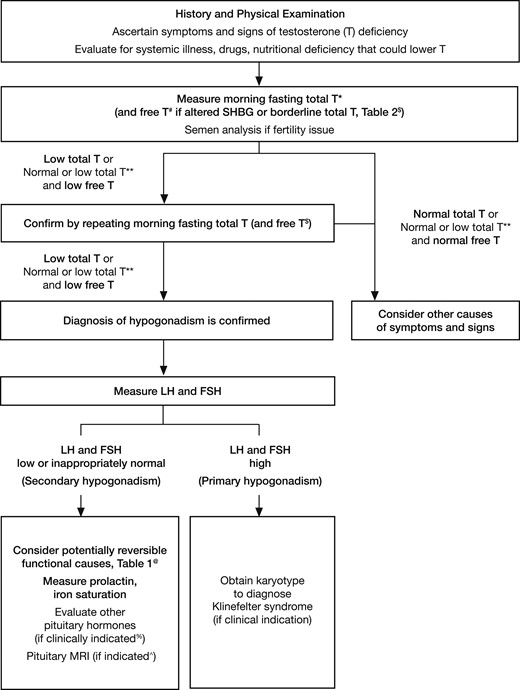
Based on a comprehensive review of available medical literature, including multiple meta-analyses and clinical guidelines, the physiological replacement dose approach—aiming to restore testosterone levels to the mid-normal range (typically 400-700 ng/dL or equivalent) without exceeding natural peaks—is more likely to maximize quality of life (QoL) for hypogonadal men. This conclusion is supported by evidence showing consistent, clinically meaningful improvements in symptoms like sexual function, mood, energy, and body composition at physiological levels, while supraphysiological dosing (e.g., leading to sustained levels above the normal range) offers limited additional benefits but increases risks of adverse effects that could detract from overall well-being.

Key Evidence Supporting Physiological Dosing

  • Improvements in QoL and Symptoms: Meta-analyses indicate that testosterone replacement therapy (TRT) at doses achieving physiological levels yields small to moderate enhancements in overall QoL, as measured by tools like the Aging Males' Symptoms (AMS) scale or SF-36 questionnaire. For instance, TRT improves depressive symptoms (standardized mean difference [SMD] -0.19), fatigue, and general well-being, with effects plateauing within 30 days. These benefits are most pronounced in men with confirmed hypogonadism (baseline testosterone <300 ng/dL), and guidelines emphasize titrating to mid-normal ranges for optimal symptom relief without overexposure.
  • Sexual Function and Libido: TRT significantly boosts libido (SMD 0.17), erectile function (SMD 0.16), and sexual satisfaction (SMD 0.16), meeting minimal clinically important differences for mild erectile dysfunction. These gains are achieved at physiological levels and do not reliably improve further with higher doses.
  • Body Composition and Physical Health: Physiological TRT increases lean body mass (by ~1.5-3 kg over 6-12 months) and bone mineral density, while reducing fat mass. It also modestly improves insulin sensitivity and lipid profiles in some studies, though evidence is mixed. Supraphysiological doses may enhance muscle gains more (e.g., in athletic contexts), but for QoL in hypogonadal men, the focus is on restoring natural function rather than performance optimization.
  • Mood and Cognitive Benefits: TRT reduces negative mood parameters (e.g., anger, fatigue) and may improve cognitive function, but effects are inconsistent and small. Physiological dosing is sufficient; higher levels do not show superior outcomes.
Risks and Limitations of Supraphysiological Dosing
  • Increased Adverse Events: Higher doses are linked to greater risks of polycythemia (hematocrit >54%, relative risk 8.14), which can strain cardiovascular health and reduce QoL through symptoms like fatigue or headaches. Other potential issues include elevated estrogen leading to gynecomastia, worsened sleep apnea, or prostate symptoms, though meta-analyses show no significant increase in prostate volume or lower urinary tract symptoms overall.
  • Cardiovascular and Long-Term Concerns: Evidence on cardiovascular risks is inconclusive, but supraphysiological levels may contribute to blood pressure increases or lipid imbalances (e.g., reduced HDL cholesterol). A large trial found no increased major adverse cardiovascular events with TRT at physiological targets, but cautioned against exceeding them.
  • No Clear Superiority for QoL: While anecdotal forum discussions (e.g., from ExcelMale threads) suggest some men report better subjective well-being at higher doses based on polls, these are biased toward users already on supraphysiological regimens and lack rigorous controls. Scientific meta-analyses find no strong evidence that exceeding physiological levels enhances QoL metrics beyond what's achieved at mid-normal ranges; instead, it may lead to diminishing returns or rebound issues upon adjustment.
Comparison of Approaches in Context
The table below summarizes outcomes from key meta-analyses, focusing on QoL-relevant domains:

DomainPhysiological Dosing Benefits (Evidence Strength)Supraphysiological Dosing Considerations
Sexual FunctionSmall-moderate improvement (e.g., IIEF score +2-5 points); high certainty.Minimal added gain; higher estrogen risks may worsen libido.
Mood/DepressionReduces symptoms (SMD -0.19); moderate certainty.Inconsistent; potential for mood swings with peaks/troughs.
Energy/FatigueModest reduction in fatigue; low-moderate certainty.Anecdotal boosts, but higher polycythemia may cause fatigue.
Body Composition+1.5-3 kg lean mass, -0.8 kg fat; moderate certainty.Greater muscle gains possible, but at cost of sides like fluid retention.
Overall QoLSmall improvement (e.g., AMS score -3.3 points); moderate certainty.No superior evidence; increased risks may offset benefits.

Practical Recommendations

  • Start with physiological doses (e.g., 50-100 mg testosterone cypionate/week, titrated based on labs) to mimic natural production and minimize sides.
  • Monitor symptoms, testosterone levels (trough and peak), hematocrit, and PSA regularly.
  • Individual factors like age, SHBG levels, and comorbidities influence response; some may need slight adjustments, but evidence favors staying within physiological bounds for long-term QoL maximization.
  • Lifestyle interventions (weight loss, exercise) can enhance TRT benefits and naturally raise testosterone.
This assessment prioritizes evidence-based outcomes over anecdotal reports, as statistical data from RCTs and meta-analyses consistently support physiological dosing as the safer, more reliable path for QoL gains in hypogonadal men.
1.) ask for links to the studies..


2.) it plainly says
  • Start with physiological doses (e.g., 50-100 mg testosterone cypionate/week, titrated based on labs) to mimic natural production and minimize sides.


Which according to you starting at 100 is a terrible idea.


3.) I don’t really care to get into this with you again, but I will continue to call you out when you suggest people start around 50-60 with no evidence to support how that maximizes benefits of treatment
 
You're still grouping everyone together. You really think everyone needs to do trt like you do. Be real. Yes, start thinking rationally.

Rational thinking involves making decisions based on logic, evidence, and objective facts rather than emotions or cognitive biases.

Once again you're projecting. You foist high doses on anyone looking for help because you think they work for you, even though you don't acknowledge having tried anything else. You're a perfect example of the bias inherent in the anecdotes that Phil Goodman relies on.

Meanwhile, I would expect very few men to thrive on <4.5 mg/day of testosterone as I do, let alone even start with such low doses. The possible exception is with short-acting forms of TRT. For example, Nastesto users might be using 11 mg three times a day, but absorption could be on the order of 10%, meaning 3.3 mg T absorbed per day. This still probably relies on some natural production to fill in the gaps.

The AI quote in my previous post summarizes my position pretty well: start low or mid-range with dosing and increase slowly if needed for symptom resolution. I do not set hard upper limits for the final dose level. The pages of this and other forums are littered with human misery caused by starting out with excessive doses. This is inexcusable and completely avoidable if a rational approach were adopted, one that shunts aside misguided more-is-better thinking.
 
1.) ask for links to the studies..

See below

2.) it plainly says
  • Start with physiological doses (e.g., 50-100 mg testosterone cypionate/week, titrated based on labs) to mimic natural production and minimize sides.
Which according to you starting at 100 is a terrible idea.

It is, as it results in non-physiological levels for a vast majority of men.

3.) I don’t really care to get into this with you again, but I will continue to call you out when you suggest people start around 50-60 with no evidence to support how that maximizes benefits of treatment

Since you're so fond of anecdotes, take a spin through the Excel Male forums and look for posts describing symptoms that are clearly linked to excessive doing, such as elevated hematocrit. This will be easy since there are several a week, on average. Next look for instances where the dose is objectively too low and the poster was given no option to increase it. Consider the ratio of these two types of posts and what is says about the way TRT should be approached.

 
See below


It is, as it results in non-physiological levels for a vast majority of men.


Since you're so fond of anecdotes, take a spin through the Excel Male forums and look for posts describing symptoms that are clearly linked to excessive doing, such as elevated hematocrit. This will be easy since there are several a week, on average. Next look for instances where the dose is objectively too low and the poster was given no option to increase it. Consider the ratio of these two types of posts and what is says about the way TRT should be approached.

Again, you're a totally lost. It's about being healthy and feeling healthy. I know your struggles are well documented and I know you will never be 100% well. Again, you assume everyone's the same. We are not.
 
Yes, stop the enclomiphene. You didn't need to PCT after using androgel in the first place.

Don't add random things. Stop the enclomiphene, wait some weeks, and re-assess.
That's interesting, so a PCT like enclomiphene isn't as necessary when using a daily administration modality like androgel? I'm guessing that would apply to cream and prop as well?
 
That's interesting, so a PCT like enclomiphene isn't as necessary when using a daily administration modality like androgel? I'm guessing that would apply to cream and prop as well?
Depends on the dosage, application frequency, and the levels reached.

With once daily scrotal application of 100 mg testosterone as cream, a dose sufficient for 9 in 10 men to exceed 1,000 ng/dL total testosterone at peak, the vast majority of men will have a detectable LH level greater than 1.0 IU/L at trough. Many of them will even land in the low normal range. This is data I am privy to via my association with a telemedicine clinic.

Now, imagine how much higher the trough LH would land with once daily application of 1% or 1.62% concentration androgel, which produces testosterone levels far lower than 20% concentration scrotal cream.

You never needed any PCT.
 
See below


It is, as it results in non-physiological levels for a vast majority of men.


Since you're so fond of anecdotes, take a spin through the Excel Male forums and look for posts describing symptoms that are clearly linked to excessive doing, such as elevated hematocrit. This will be easy since there are several a week, on average. Next look for instances where the dose is objectively too low and the poster was given no option to increase it. Consider the ratio of these two types of posts and what is says about the way TRT should be approached.

1.) sure, I’ve seen plenty of posters that I think were on on too high of a dose and have myself suggested lowering them. In those cases it’s normally when the poster is on 150 or more per week and are having obvious issues. Still, that does nothing to negate the fact that hundreds of thousands(possibly over a million) men are on doses between 100-125 per week and are doing great. It also doesn’t negate the fact that benefits are often greater at these doses and the safety of them is well-established by numerous studies as well as the experience of the aforementioned men and their doctors. Sure some guys will have problems at those doses. It also true that some guys will require doses higher than that for maximum benefits. But we don’t base general guidelines on outliers. You never see me going “sure you’re doing alright at 100 mg/week but you should absolutely try 200 because that’s the only way to be certain you aren’t better there”. Yet you constantly do that in reverse with guys doing great on doses that are clearly effective and which seem to be completely safe for them(and that is further supported by the studies).

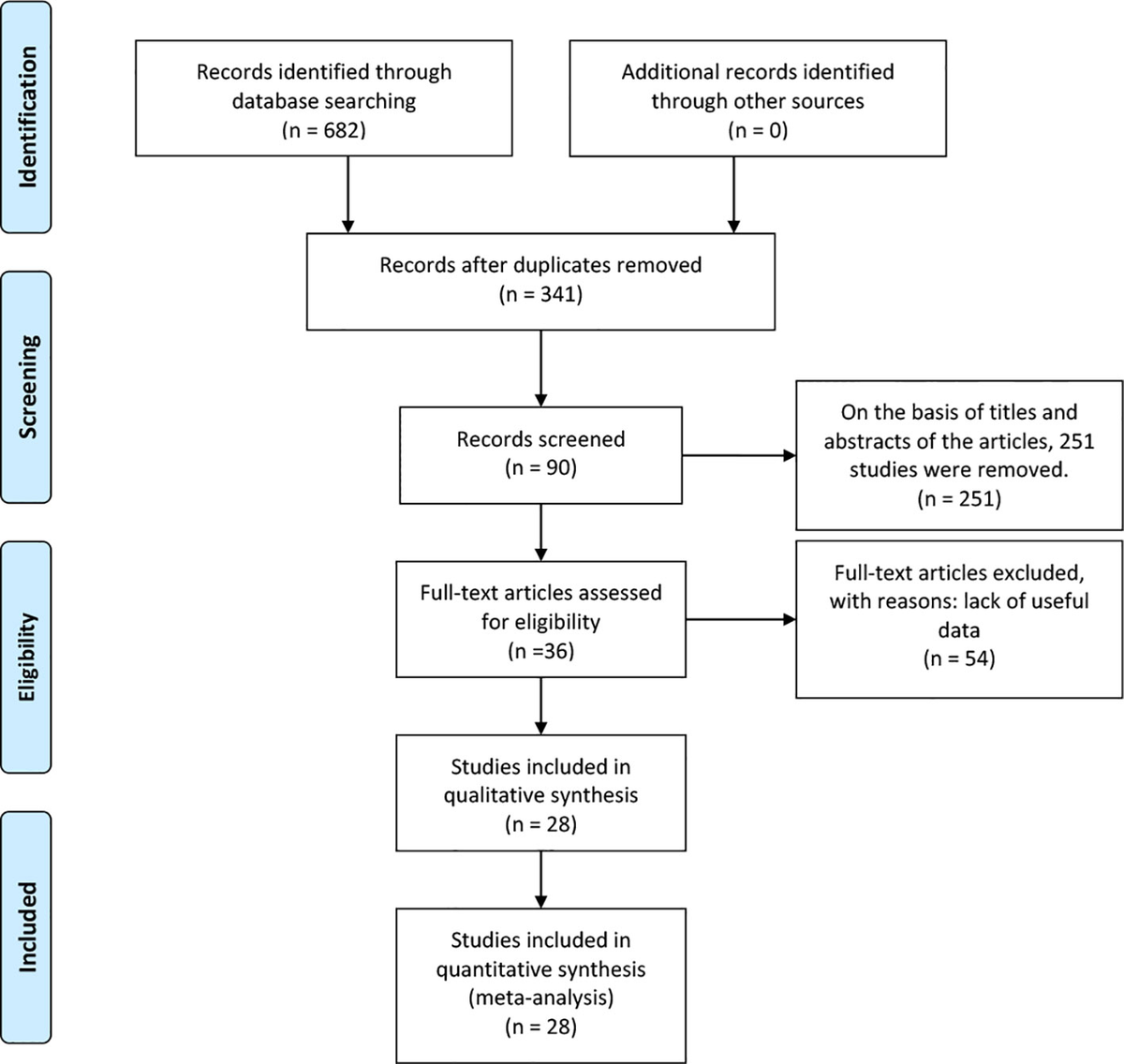
As for your links… I clicked the first two an they were just links to panels getting together to establish guidelines. That’s not a study, that’s a group of humans coming up with an approach. You wouldn’t see a group of doctors coming up with guidelines on anti-depressants and call it a study on anti-depressants. Also, they don’t say anything about doses, they talk about hitting certain blood levels. And to make it worse they only focus on total testosterone levels, a possible signal that their approach is flawed right out of the gate.

From the link:

Evidence
This evidence-based guideline was developed using the Grading of Recommendations, Assessment, Development, and Evaluation approach to describe the strength of recommendations and the quality of evidence. The task force commissioned two systematic reviews and used the best available evidence from other published systematic reviews and individual studies.

Consensus Process
One group meeting, several conference calls, and e-mail communications facilitated consensus development. Endocrine Society committees and members and the cosponsoring organization were invited to review and comment on preliminary drafts of the guideline.


One of the studies you posted found this:

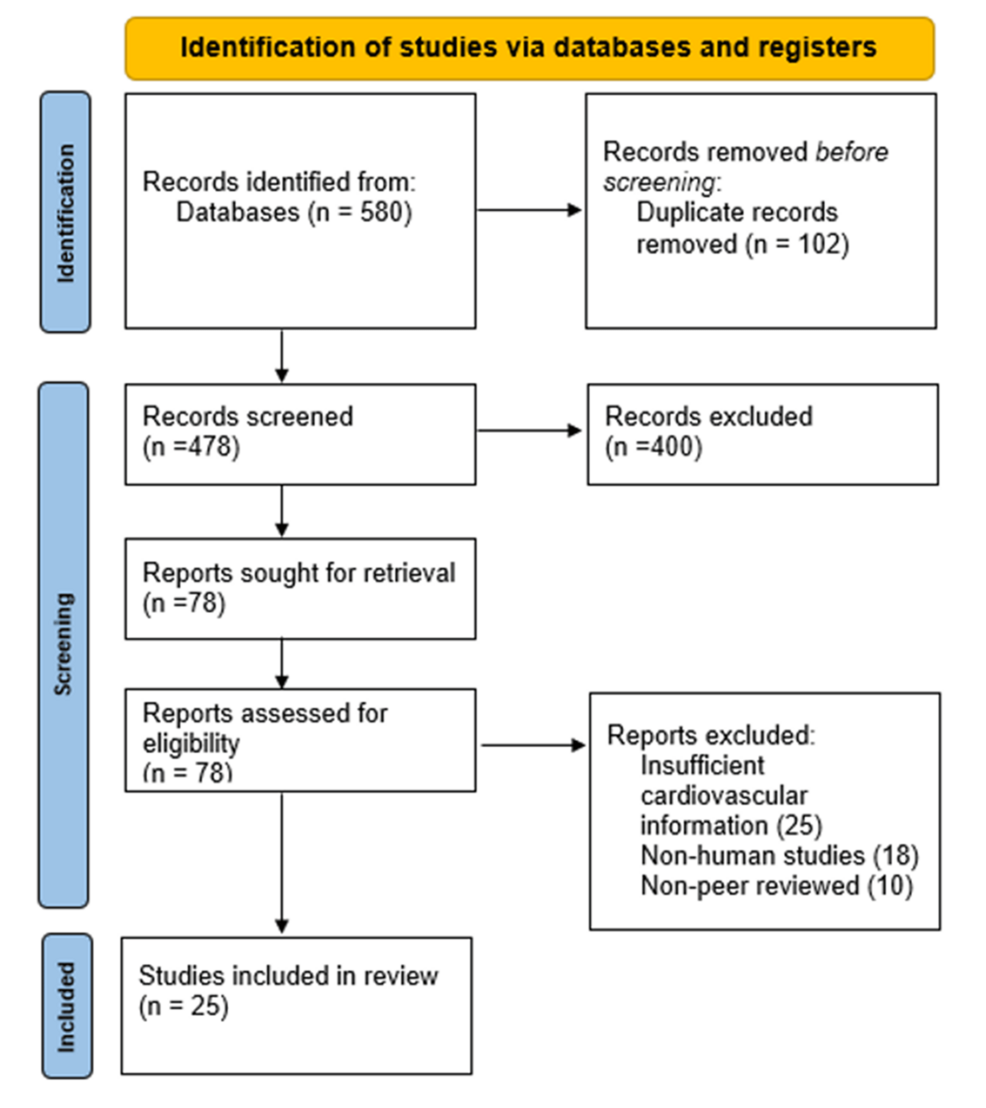
From a cohort of 537 men diagnosed with hypogonadism, we included 184 patients who underwent testosterone replacement therapy (TRT). Among these patients, 135 (73.4%) were treated to achieve physiological testosterone levels, with a median level of 468.0 ng/dL (interquartile range, IQR = 308.0-644.5), while 49 patients (26.6%) were treated to attain supraphysiologic testosterone levels, with a median level of 1552 ng/dL (IQR = 1279-1700). Before initiating TRT, there was no significant difference in testosterone levels between the two groups (p = 0.11). Moreover, no significant differences were found between the groups in terms of a history of diabetes mellitus (DM; p = 0.422) or prostate cancer (p = 0.29). However, significant differences were observed in the history of hypertension (HTN; p = 0.003) and hyperlipidemia (HLD; p = 0.006), with more patients in the physiologic testosterone group having a diagnosis of HTN and HLD prior to treatment. Regarding adverse events, there were more cases of polycythemia in the supraphysiologic testosterone group compared to the physiologic testosterone group (p < 0.001; 35.4% vs. 7.0%). Interestingly, there was no significant difference in the rate of other adverse events after TRT between the two groups, including venous thromboembolism (VTE; p = 0.285), major adverse cardiovascular events (MACE; p = 0.768), deep vein thrombosis (DVT; p > 0.999), myocardial infarction (MI; p = 0.562), and stroke (p > 0.999).


So even by more than tripling the number for total t in the supraphysiological group, the only adverse event that saw an increase in was polycythemia. All other adverse events occurred at the same rates among the groups. And the Traverse trial seems to provide a signal that shows as long as hematocrit is kept at or below 54 then there it is perfectly safe.


And yes, if someone starts getting up close to 55 on hematocrit I’ll be the first to tell them they need to make adjustments.


You seem fixated on this approach that anything above what is produced normally is almost certainly bad. You’re taking an unnatural phenomenon and trying to bind it to natural parameters. However, the evidence and experiences of millions of men across the globe doesn’t support your argument. For the 4,728th time, the sweet spot for the majority of men seems to be in the 100-125 range. That is where maximum benefits are seen without significantly increasing risks.
 
Again, you're a totally lost. It's about being healthy and feeling healthy. I know your struggles are well documented and I know you will never be 100% well. Again, you assume everyone's the same. We are not.

Your usual retreat to ad hominem statements merely highlights your inability to defend your position. Your bad advice has almost certainly harmed some men. Neither you nor Mr. Goodman can articulate why starting TRT at supraphysiological doses is a good idea. You'd be hard pressed to name other hormones where this is common medical practice.

... Still, that does nothing to negate the fact that hundreds of thousands(possibly over a million) men are on doses between 100-125 per week and are doing great.

Numbers pulled out of thin air. Doing great is highly subjective. Personally I've found that even overdosed TRT feels better than being hypogonadal. It was relatively "great", but then side effects came sneaking in over the years.

It also doesn’t negate the fact that benefits are often greater at these doses and the safety of them is well-established by numerous studies as well as the experience of the aforementioned men and their doctors.

You haven't provided a single study to this effect. You know there isn't one. The line you are looking for is "We find that in treating hypogonadism, dosing testosterone initially to achieve supraphysiological serum levels of free testosterone is preferable to adopting a low-and-slow approach that begins in the low-to-mid physiological range." Not going to find it. Not now, not ever, because it is flat-out wrong.

Sure some guys will have problems at those doses. It also true that some guys will require doses higher than that for maximum benefits.

There are certain rare conditions that may require higher doses. But that in no way justifies inflicting misery on a much larger population. It's a trivial matter to continue titrating upwards in these rare situations you're hanging your hat on.

But we don’t base general guidelines on outliers.

Exactly. Yet you and Vince are wanting to dose everyone as an outlier. That defies all logic.

... Yet you constantly do that in reverse with guys doing great on doses that are clearly effective and which seem to be completely safe for them(and that is further supported by the studies).

Don't misrepresent me, and don't keep lying about the studies. Although I consider such higher doses to be suspect in most cases, I'm not haranguing the ones claiming to do great. They are adults and can make their own decisions about the potential long-terms risks of high androgen load. The ones I deal with are here sharing their misery over the effects of excessive dosing. They were never given a chance to start with more sensible protocols.

As for your links… I clicked the first two an they were just links to panels getting together to establish guidelines. That’s not a study, that’s a group of humans coming up with an approach.

Said approach being based on the published research, which I trust more than a few guys on the Internet saying they do great on higher doses, mostly without even trying lower ones.

...they talk about hitting certain blood levels. And to make it worse they only focus on total testosterone levels, a possible signal that their approach is flawed right out of the gate.

Like it or not, levels are a useful source of guidance. You name the hormone, and low or high levels are associated with a variety of problems.

Word is getting out that free testosterone is the better parameter to track. This is more important when SHBG is unusually high or low. Remember, you said "But we don’t base general guidelines on outliers." Thus historical guidance based on total testosterone did not address the SHBG outliers.

From the link:
...
So even by more than tripling the number for total t in the supraphysiological group, the only adverse event that saw an increase in was polycythemia. All other adverse events occurred at the same rates among the groups. And the Traverse trial seems to provide a signal that shows as long as hematocrit is kept at or below 54 then there it is perfectly safe.

We're not only talking about short-term, acute events. The issues include long-term wear-and-tear on the vasculature, cumulative cardiotoxicity, impairment of libido and sexual function via hormonal disruption, etc. You have presented exactly zero evidence in support of starting out TRT at such levels. You're so invested in your position that you can't appreciate the absurdity of skipping physiological dosing at the beginning. Really? Nobody should be given the opportunity to experience something close to their healthy natural levels? That's crazy.

For the 4,728th time, the sweet spot for the majority of men seems to be in the 100-125 range. That is where maximum benefits are seen without significantly increasing risks.

Based on nothing. The stream of guys with side effects say otherwise.
 
Your usual retreat to ad hominem statements merely highlights your inability to defend your position. Your bad advice has almost certainly harmed some men. Neither you nor Mr. Goodman can articulate why starting TRT at supraphysiological doses is a good idea. You'd be hard pressed to name other hormones where this is common medical practice.


Numbers pulled out of thin air. Doing great is highly subjective. Personally I've found that even overdosed TRT feels better than being hypogonadal. It was relatively "great", but then side effects came sneaking in over the years.


You haven't provided a single study to this effect. You know there isn't one. The line you are looking for is "We find that in treating hypogonadism, dosing testosterone initially to achieve supraphysiological serum levels of free testosterone is preferable to adopting a low-and-slow approach that begins in the low-to-mid physiological range." Not going to find it. Not now, not ever, because it is flat-out wrong.


There are certain rare conditions that may require higher doses. But that in no way justifies inflicting misery on a much larger population. It's a trivial matter to continue titrating upwards in these rare situations you're hanging your hat on.


Exactly. Yet you and Vince are wanting to dose everyone as an outlier. That defies all logic.


Don't misrepresent me, and don't keep lying about the studies. Although I consider such higher doses to be suspect in most cases, I'm not haranguing the ones claiming to do great. They are adults and can make their own decisions about the potential long-terms risks of high androgen load. The ones I deal with are here sharing their misery over the effects of excessive dosing. They were never given a chance to start with more sensible protocols.


Said approach being based on the published research, which I trust more than a few guys on the Internet saying they do great on higher doses, mostly without even trying lower ones.


Like it or not, levels are a useful source of guidance. You name the hormone, and low or high levels are associated with a variety of problems.

Word is getting out that free testosterone is the better parameter to track. This is more important when SHBG is unusually high or low. Remember, you said "But we don’t base general guidelines on outliers." Thus historical guidance based on total testosterone did not address the SHBG outliers.


We're not only talking about short-term, acute events. The issues include long-term wear-and-tear on the vasculature, cumulative cardiotoxicity, impairment of libido and sexual function via hormonal disruption, etc. You have presented exactly zero evidence in support of starting out TRT at such levels. You're so invested in your position that you can't appreciate the absurdity of skipping physiological dosing at the beginning. Really? Nobody should be given the opportunity to experience something close to their healthy natural levels? That's crazy.


Based on nothing. The stream of guys with side effects say otherwise.
Please stop misinforming everyone. I know you love, AI. Like I said before not everyone's the same. You must also use common sense, not just someone else's study. When it did first start I did have lower numbers and they did not work for me as I'm sure you know.

You forget what all the troubles of not exercising, not eating healthy and being overweight affects a person health and well-being. Look up studies for that. Also. Not just "your" experience with lower testosterone levels.
 

ExcelMale Newsletter Signup

Online statistics

Members online
9
Guests online
221
Total visitors
230

Latest posts

Beyond Testosterone Podcast

Back
Top