
Testosterone replacement therapy can transform how you feel. Energy comes back, mood stabilizes, and muscle responds to training the way it used to. But there is a trade-off most men are not warned about upfront: the moment exogenous testosterone enters your body, your brain interprets it as a signal to shut down natural hormone production entirely. Your
Leydig cells go dormant. Sperm production collapses. The upstream hormones that support cognition, mood, and sexual sensitivity drop to near zero. And if you are planning to have children, that window may be closing faster than you realize.
Human chorionic gonadotropin (HCG) is not a cosmetic add-on to prevent 'shrinkage.' It is a clinically validated LH mimetic that keeps your testicular machinery alive while the rest of your hormonal system is suppressed. This article covers what the evidence actually says about HCG dosing, fertility preservation, libido benefits, and how to monitor whether your protocol is working.
Without LH signaling, the Leydig cells in your testes have no reason to remain active. They do not die, but they shrink and go dormant. Intratesticular testosterone (ITT) collapses. Research by Coviello and colleagues documented a 94% reduction in ITT in men receiving testosterone without HCG. This matters because sperm production requires an ITT concentration roughly 10 times higher than what circulates in your blood. Your blood levels can look optimal while the environment inside your testes resembles a hormonal desert.
Approximately 65% of men on TRT develop azoospermia (zero viable sperm), according to data reviewed by Dr. Ramasamy and colleagues. The remaining 35% retain some sperm, but quality and quantity decline significantly. This is not a rare edge case. It is the expected biological outcome of TRT without testicular protection.
Beyond sperm counts, the dormancy of Leydig cells shuts down the steroidogenic cascade that begins with cholesterol conversion into pregnenolone. Pregnenolone and progesterone are described as 'upstream' hormones because they are precursors to a broad range of downstream steroids, including neurosteroids that influence mood, anxiety, and cognitive function. Men on TRT who report persistent brain fog, mood flatness, or a subtle 'disconnected' quality to their TRT results may be experiencing the effects of this upstream depletion.
Table 1: What TRT Suppresses Beyond Serum Testosterone
A key point that surprises many clinicians and patients alike: HCG does not show up as LH on a standard blood panel. Your LH will read low or undetectable even when HCG is doing its job inside the testes. This is not a problem with the therapy. It reflects the pharmacological reality that HCG activates LH receptors without being detected by LH immunoassays.
The landmark study from Baylor College of Medicine (Hsieh, Pastuszak, Lipshultz et al., 2013) established the clinical proof of concept. Men on both injectable and transdermal TRT were given 500 IU of HCG every other day as a co-administration. Zero patients in the cohort became azoospermic during the study. Nine of the 26 participants achieved pregnancy with their partners. The finding that challenged longstanding assumptions was this: spermatogenesis was preserved even in the absence of FSH. Prior to this research, most endocrinologists believed FSH was essential for sperm production. The Baylor data showed that maintaining ITT through HCG can sustain sperm production through Sertoli cell activation alone in the majority of men.
Beyond fertility, HCG reactivates the steroidogenic acute regulatory (StAR) protein and the enzymatic conversion of cholesterol into pregnenolone. This upstream restoration means HCG does something TRT alone cannot do: it replenishes the hormonal precursors that feed neurosteroid synthesis. Men who add HCG to their protocols frequently report improved mood, reduced anxiety, better libido, and enhanced penile sensitivity. Some of this is attributable to the restoration of downstream androgens and estrogens, but LH receptors also exist in brain tissue, and direct LH-like signaling there may account for effects that extend beyond peripheral hormone levels.
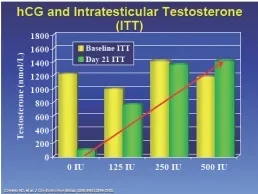
Table 2: HCG Dose-Response Data (Coviello et al., 2005) - Intratesticular Testosterone vs. Baseline
The practical takeaway is clear: do not use anything below 500 IU EOD if fertility preservation is the goal. Doses of 250 IU, which are commonly prescribed by physicians unfamiliar with the ITT research, leave men 7% below their natural ITT baseline. That is not protective. The 500 IU EOD dose consistently normalizes ITT above baseline and is the protocol used in the Baylor fertility study.
As Nelson Vergel has noted in discussing his protocol: 'Unless you reach higher peaks, HCG may not work.' The pharmacokinetics of HCG require sufficient peak levels to stimulate Leydig cells meaningfully. Doses spread too thin or reduced too far below 500 IU may not produce enough receptor activation to maintain testicular health.
A 1987 double-blind, placebo-controlled study demonstrated that HCG (5,000 IU twice weekly) significantly outperformed placebo in resolving non-organic erectile dysfunction and low sexual desire, with a 47% improvement rate compared to 12% in the placebo group. More recently, a University of Miami study using lower doses found that HCG improved libido and erectile function even in patients whose total testosterone did not increase substantially. The mechanism appears to involve HCG's ability to reduce SHBG, thereby increasing the concentration of bioavailable free testosterone. This highlights why total testosterone alone does not tell the full story of HCG's therapeutic impact.
Monotherapy doses are considerably higher than adjunct doses because HCG must drive the entire testosterone production process rather than simply maintaining Leydig cell activity. Typical monotherapy protocols range from 1,000 to 3,000 IU twice weekly, though the ceiling on sustainable long-term dosing remains a clinical consideration. Very high doses over extended periods carry a theoretical risk of Leydig cell desensitization, which is why many clinicians prefer using lower-dose HCG adjunct therapy alongside TRT rather than high-dose monotherapy.
Table 3: HCG Protocol Comparison by Clinical Objective
Several mechanisms are likely at work simultaneously. First, HCG restores the intratesticular hormonal environment, which indirectly supports the production of DHT (dihydrotestosterone) and estradiol within the testes. DHT is a potent androgen that drives libido and sexual sensitivity, and there is a growing body of thinking that HCG improves the local 5-alpha-reductase activity within testicular tissue, increasing intratesticular DHT conversion. TRT without HCG may produce a relative DHT deficit at the tissue level even when serum DHT appears adequate.
Second, LH receptors are not exclusive to the testes. They are expressed in the brain, including regions associated with sexual motivation and reward. By introducing an LH mimetic, HCG may directly activate neural pathways that influence libido in ways that circulating testosterone levels alone cannot replicate. Nelson Vergel has noted that the libido improvement from HCG feels distinct from the testosterone effect. It seems broader, carrying a quality of sexual engagement that testosterone alone does not reliably restore.
Third, the restoration of pregnenolone and downstream neurosteroids through HCG-stimulated steroidogenesis may reduce the anxiety and emotional blunting that some men experience on TRT alone. Allopregnanolone, a pregnenolone metabolite, has demonstrated anxiolytic and mood-stabilizing properties in research settings. Men who report that TRT helped their body but not their mind may be responding to this neurosteroid deficiency.
A 2022 study referenced in ExcelMale forum discussions found that approximately 80% of men reported a libido boost when HCG was added to their protocol. This is not a guaranteed outcome, but it is a consistent enough finding across both research and community experience to warrant consideration for any man on TRT who feels his sex drive has not fully recovered despite optimal testosterone levels.
The clinical solution is 17-hydroxyprogesterone (17-OHP), an upstream hormone that correlates directly with intratesticular testosterone levels. Because TRT suppresses LH and shuts down the steroidogenic cascade, 17-OHP levels fall to near-zero in men on TRT without HCG. When HCG is introduced and Leydig cells reactivate, 17-OHP rises within two weeks, providing a real-time proxy for what is happening inside the testes.
The clinical benchmark established in the research literature is a 17-OHP level greater than 6.5 nmol/L (215 ng/dL). If your 17-OHP reaches this level within two weeks of starting HCG, your intratesticular environment has been normalized. If it remains below this threshold, your dose or frequency needs to be increased before you wait months for a failed semen analysis.
For accurate 17-OHP measurement, specify liquid chromatography/mass spectrometry (LC-MS/MS) testing rather than the standard immunoassay, which is less precise at the low end of the range. DiscountedLabs.com offers this panel at a fraction of the cost of physician-ordered testing.
Men who started TRT years ago without HCG, and who are now attempting to restore fertility for the first time, may find that their Leydig cells and Sertoli cells have been dormant long enough that HCG alone cannot fully reactivate the spermatogenic machinery. Older men have a smaller reserve of germ cells and lower baseline spermatogenic capacity. Both groups may need escalation.
A 2024 study found that 75% of men with very low or absent sperm counts saw significant improvements in sperm production with FSH and HCG combination therapy. This represents a substantial response rate for what had previously been considered an intractable problem. Recombinant FSH or human menopausal gonadotropin (hMG) are the typical agents used in this escalation.
Clomiphene citrate and enclomiphene are sometimes added as secondary adjuncts to further stimulate the HPG axis by blocking estrogen receptors at the hypothalamus, prompting more endogenous LH and FSH production. However, these agents suppress intratesticular testosterone in their own right when used alone, so they are typically used in combination rather than as replacements for HCG in men who want to maintain TRT.
Sperm banking before initiating TRT is the most reliable safeguard for men who know they may want biological children in the future. Once HCG non-responder status is confirmed, the path to biological fatherhood becomes significantly more complex and expensive.
The approach Nelson Vergel has used and taught for many years solves this by combining HCG and testosterone in the same syringe. Despite HCG being water-based and testosterone cypionate or enanthate being oil-based, the two can be drawn into the same insulin syringe and injected together. The critical instruction is to inject immediately after drawing both substances, since prolonged mixing in the syringe may degrade HCG.
Side effects to monitor include elevated estradiol (which can cause water retention, nipple sensitivity, or mood changes), acne, and in rare cases irritability. HCG is contraindicated in men with prostate cancer, breast cancer, pituitary tumors, asthma, epilepsy, or significant cardiac or renal disease. Men with any history of HCG allergy should not use it.
Estradiol management on HCG deserves a specific note: HCG can push estradiol higher than TRT alone because it increases Leydig cell production of estradiol alongside testosterone. Test estradiol regularly, particularly in the first few months of adding HCG to an existing protocol. The threshold for intervention with an aromatase inhibitor should be based on symptoms and blood work, not on an arbitrary number.
Click here for hCG dose calculator:

Nelson Vergel's foundational thread on the Baylor and Coviello studies, including the 500 IU ITT threshold and practical community protocols.
• HCG for Libido and ED: Study Results, Dosing and Stacking with TRT
Clinical study data on HCG's effect on erectile function and sex drive, including results in men whose serum testosterone was not significantly elevated by HCG.
• Does HCG Boost Libido by Stimulating 5-Alpha-Reductase?
Community and expert discussion on the mechanisms behind HCG's libido effects, including the role of DHT, LH brain receptors, and testosterone-to-estradiol ratio.
• Why Use HCG With TRT? A Clinical Review
Comprehensive clinical review of HCG's role in TRT, covering neurosteroid restoration, testicular volume, spermatogenesis, and quality-of-life outcomes compared to TRT alone.
• HCG Timeline and Dosage
Practical guide to what to expect and when after starting HCG, including DHEA, pregnenolone, and progesterone restoration timelines.
• HCG Dose Frequency for Men: Fertility and Testicular Atrophy
Active community thread discussing every-other-day vs. twice-weekly dosing, member experiences with HCG vs. clomid for libido, and the minimum effective dose concept.
• When HCG Is Added to TRT
Dr. Ramasamy's discussion of fertility outcomes in men on TRT and the role of HCG in the 66% who develop azoospermia.
• Minimum Effective Dose of HCG Weekly to Prevent Testicular Atrophy
Discussion of the lower boundary of effective HCG dosing for atrophy prevention in men not concerned with fertility, including member experience reports.
• How Men Can Use HCG with Testosterone to Improve Fertility, Libido and Testicular Size
Nelson Vergel's multi-part educational series on HCG + TRT co-administration, with embedded clinical data and community Q&A.
• Why Some Men on TRT Experience Anxiety and Brain Fog Despite Optimal Testosterone Levels
Discussion of neurosteroid depletion on TRT and how HCG-driven restoration of pregnenolone and progesterone may address cognitive and mood symptoms.
2. Coviello AD, Matsumoto AM, Bremner WJ, et al. Low-dose human chorionic gonadotropin maintains intratesticular testosterone in normal men with testosterone-induced gonadotropin suppression. J Clin Endocrinol Metab. 2005;90(5):2595-2602. https://doi.org/10.1210/jc.2004-0802
3. Ramasamy R, Armstrong JM, Lipshultz LI. Preserving fertility in the hypogonadal patient: an update. Asian J Androl. 2015;17(2):197-200. https://doi.org/10.4103/1008-682X.126358
4. Menon DK. Successful treatment of anabolic steroid-induced azoospermia with human chorionic gonadotropin and human menopausal gonadotropin. Fertil Steril. 2003;79 Suppl 3:1659-61. https://doi.org/10.1016/s0015-0282(03)00365-0
5. Walia S, et al. Testosterone Replacement, Where Are We in 2025? Trends Urol Mens Health. 2025. https://doi.org/10.1002/tre.70016
6. Tirabassi G, Cignarelli A, Perrini S, et al. Management of Male Fertility in Hypogonadal Patients on Testosterone Replacement Therapy. Medicina. 2024;60(2):275. https://doi.org/10.3390/medicina60020275
7. Bosman L, Patel P, Rambhatla A, Lipshultz L. Low Dose Human Chorionic Gonadotropin Prevents Azoospermia and Maintains Fertility in Hypogonadal Men on Testosterone Replacement Therapy. Fertil Steril. 2010. https://www.fertstert.org/article/S0015-0282(10)01624-9/fulltext
8. Martikainen H, Alanen A, Vihko R. 17 alpha-hydroxyprogesterone as an index of Leydig cell function after human chorionic gonadotropin stimulation. Acta Endocrinol. 1982;99(3):367-372. https://doi.org/10.1530/acta.0.0990367
9. Punjani N, Bernie H, Salter C, Kathrins M, Ramasamy R. The Utilization and Impact of Aromatase Inhibitor Therapy in Men with Elevated Estradiol Levels on Testosterone Therapy. Andrology. 2021. https://doi.org/10.1111/andr.12946
10. Sinha DK, Balasubramanian A, Tatem AJ, et al. Beyond the androgen receptor: the role of growth hormone secretagogues in the modern management of body composition in hypogonadal males. Transl Androl Urol. 2020;9(Suppl 2):S149-S159. https://doi.org/10.21037/tau.2019.11.30
The 500 IU every-other-day dose is the evidence-based threshold for men who need to maintain fertility while on TRT. For men focused on atrophy prevention and hormonal completeness without an active fertility goal, 500 IU two to three times per week is the practical standard. The 17-hydroxyprogesterone blood test, available within two weeks, removes the guesswork from dose titration and eliminates the need to wait three months for a semen analysis to find out whether the protocol is working.
Not every man on TRT will respond fully to HCG alone. If you fall into that 33%, adding FSH is the evidence-based next step. And if you have any possibility of wanting biological children in the future, discussing sperm banking before starting TRT is always worth the conversation.
The goal is not just replacing a number on a lab report. It is maintaining the biological machinery that makes the therapy feel complete.
For deeper discussion, protocols, and community experience from men who have navigated this firsthand, visit the ExcelMale forum threads linked in this article.
What's the optimal HCG dose to preserve fertility and testicular size while on testosterone replacement therapy?
Optimal HCG dose for men on TRT, backed by two clinical studies. Typical protocols (250–500 IU), fertility preservation, injection frequency, and side effects.
Two landmark studies provide critical guidance for men seeking to maintain reproductive function during TRT. Research from Baylor College of Medicine demonstrated that 500 IU of HCG injected every other day successfully maintained normal sperm parameters in men on testosterone, with 9 of 26 participants achieving pregnancy with their partners during the study. Even more revealing, research on intratesticular testosterone (ITT) levels showed that doses below 500 IU may be insufficient—250 IU every other day produced ITT levels 7% below baseline, while 500 IU resulted in ITT 26% above baseline. This thread explains why maintaining adequate ITT is crucial since sperm production requires testosterone concentrations inside the testicles that are approximately 10 times higher than serum levels. Forum members discuss practical protocols ranging from 250-500 IU two to three times weekly for testicular atrophy prevention, up to 500 IU every other day for men actively trying to conceive. The discussion covers important nuances including the 17-hydroxyprogesterone blood test that can predict HCG efficacy within 2 weeks, the reality that 33% of men (especially older men or those on TRT for extended periods) may not respond adequately to HCG alone and may require FSH supplementation.
Note:HCG mimics LH but it is not LH and it's not picked up by the LH blood test. In fact, it suppresses LH like endogeneous testosterone does. But the amazing thing that the study below found is that HCG can increase sperm production and quality even in the absence of LH AND FSH. Most researchers believed that without FSH there was no possible sperm production.
The second study shows that testosterone inside the testicles (instratesticular testosterone or ITT) has to reach a certain amount for Sertoli cells to "wake up" to produce sperm. TRT actually decreases testosterone inside the cells by an unknown mechanism. HCG doses under 300 IU along with TRT may not normalize intratesticular testosterone since 250 IU produced an ITT 7% below baseline. 500 IU produced ITT 25% above normal. The Baylor study below used the 500 IU dose.
Conclusion: Do not use anything below 500 IU if you want to normalize your ITT while on TRT. No studies have been done on twice per week injection frequency, but that dose may work to prevent testicular atrophy (anecdotally). Three times per week or more may be needed to preserve fertility while on TRT. However, 33% of men (mostly older and who have been on TRT the longest prior to introducing hCG) do not respond as well to TRT+hCG when it comes to sperm quantity and quality. Those men may be better off on hCG+FSH.
Testosterone+ HCG Preserves Healthy Sperm in Men on Testosterone Replacement Therapy (Injections and gels)
Tung-Chin Hsieh, Alexander W. Pastuszak, Kathleen Hwang and Larry I. Lipshultz*,†
From the Division of Urology, University of California-San Diego (TCH), San Diego, California, Scott Department of Urology, Baylor College of Medicine (AWP, LIL), Houston, Texas, and Department of Urology (KH), Brown University School of Medicine, Providence, Rhode Island
Purpose: Testosterone replacement therapy results in decreased serum gonadotropins (hormones produced by the pituitary gland- LH and FSH- that jump start testicular function) and intratesticular testosterone (inside the testicles), and impairs spermatogenesis (sperm production), leading to azoospermia (no viable sperm) in 40% of patients. However, intratesticular testosterone can be maintained during testosterone replacement therapy with co-administration of low dose human chorionic gonadotropin, which may support continued spermatogenesis in patients on testosterone replacement therapy.
Materials and Methods: We retrospectively reviewed the records of hypogonadal men treated with testosterone replacement therapy and concomitant low dose human chorionic gonadotropin(HCG). Testosterone replacement consisted of daily topical gel or weekly intramuscular injection with intramuscular human chorionic gonadotropin (500 IU) every other day. Serum and free testosterone,estradiol, semen parameters and pregnancy rates were evaluated before and during therapy.
Results: A total of 26 men with a mean age of 35.9 years were included in the study. Mean followup was 6.2 months. Of the men 19 were treated with injectable testosterone and 7 were treated with transdermal gel. Mean serum hormone levels before vs during treatment were testosterone 207.2 vs 1,055.5 ng/dl (p<0.0001), free testosterone 8.1 vs 20.4 pg/ml (p = 0.02) and estradiol 2.2 vs 3.7 pg/ml (p = 0.11). Pretreatment semen parameters were volume 2.9 ml, density 35.2 million per ml, motility 49.0% and forward progression 2.3. No differences in semen parameters were observed during greater than 1 year of followup. No impact on semen parameters was observed as a function of testosterone formulation. No patient became azoospermic during concomitant testosterone replacement and human chorionic gonadotropin therapy. Nine of 26 men contributed to pregnancy with the partner during followup.
Conclusions: Low dose human chorionic gonadotropin appears to maintain semen parameters in hypogonadal men on testosterone replacement therapy. Concurrent testosterone replacement and human chorionic gonadotropin use may preserve fertility in hypogonadal males who desire fertility preservation while on testosterone replacement therapy.

**************************
Low-Dose Human Chorionic Gonadotropin Maintains Intratesticular Testosterone in Normal Men with Testosterone-Induced Gonadotropin Suppression

Coviello AD, et al. J Clin Endocrinol Metab. 2005.
Abstract
In previous studies of testicular biopsy tissue from healthy men, intratesticular testosterone (ITT) has been shown to be much higher than serum testosterone (T), suggesting that high ITT is needed relative to serum T for normal spermatogenesis in men. However, the quantitative relationship between ITT and spermatogenesis is not known. To begin to address this issue experimentally, we determined the dose-response relationship between human chorionic gonadotropin (hCG) and ITT to ascertain the minimum dose needed to maintain ITT in the normal range. Twenty-nine men with normal reproductive physiology were randomized to receive 200 mg T enanthate weekly in combination with either saline placebo or 125, 250, or 500 IU hCG every other day for 3 wk. ITT was assessed in testicular fluid obtained by percutaneous fine needle aspiration at baseline and at the end of treatment. Baseline serum T (14.1 nmol/liter) was 1.2% of ITT (1174 nmol/liter). LH and FSH were profoundly suppressed to 5% and 3% of baseline, respectively, and ITT was suppressed by 94% (1234 to 72 nmol/liter) in the T enanthate/placebo group. ITT increased linearly with increasing hCG dose (P < 0.001). Posttreatment ITT was 25% less than baseline in the 125 IU hCG group, 7% less than baseline in the 250 IU hCG group, and 26% greater than baseline in the 500 IU hCG group. These results demonstrate that relatively low dose hCG maintains ITT within the normal range in healthy men with gonadotropin suppression. Extensions of this study will allow determination of the ITT concentration threshold required to maintain spermatogenesis in man.
MORE ON HCG:
The Use of HCG to Prevent / Reverse Testicular Shrinkage and Preserve Fertility
The use of human chorionic gonadotropin (hCG) in combination with testosterone replacement therapy (TRT) is a strategic approach to preserve fertility in men undergoing TRT, particularly those with hypogonadism. The effectiveness of hCG in this context is primarily due to its ability to mimic luteinizing hormone (LH), thereby stimulating intratesticular testosterone production, which is crucial for spermatogenesis.
### Effective Dosing of hCG
The most effective dose of hCG to preserve fertility while on TRT varies, but several studies provide guidance on dosing strategies that balance efficacy with minimizing potential side effects:
1. **Low-Dose hCG**: A common approach involves the administration of low-dose hCG to maintain intratesticular testosterone levels. Studies suggest that doses as low as 250 to 500 IU of hCG administered every other day can be effective. For instance, a study by Coviello et al. demonstrated that 500 IU hCG every other day maintained intratesticular testosterone within the normal range in healthy men with testosterone-induced gonadotropin suppression[19].
2. **Dose-Response Relationship**: Research indicates a dose-dependent response in intratesticular testosterone levels with varying doses of hCG. For example, a study found that increasing doses of hCG from 250 IU to 500 IU every other day resulted in higher intratesticular testosterone levels, suggesting that adjusting the dose based on individual response might be necessary[19].
3. **Combination with Clomiphene Citrate**: Some protocols recommend combining hCG with clomiphene citrate, another agent that stimulates endogenous testosterone production through a different mechanism. This combination can be particularly useful when trying to optimize fertility preservation[15].
4. **Monitoring and Adjustment**: It is crucial to monitor serum testosterone and intratesticular testosterone levels as well as sperm parameters to adjust hCG dosing appropriately. This ensures that the dose is sufficient to maintain spermatogenesis without causing supra-physiological testosterone levels that could have adverse effects[19].
### Clinical Recommendations
- **Starting Dose**: A typical starting dose can be around 500 IU every other day, with adjustments based on individual response and laboratory values[19].
- **Follow-Up**: Regular follow-up with semen analysis and hormone levels is recommended to ensure that the hCG dose is effectively maintaining fertility while on TRT[20].
- **Higher Doses**: In some cases, higher doses of hCG, ranging from 1500 IU to 3000 IU administered two to three times per week, might be used, especially in men with more severe hypogonadotropic hypogonadism[14].
### Conclusion
The effective dose of hCG for fertility preservation in men on TRT needs to be individualized based on the patient's response and hormonal levels. Low-dose hCG (250-500 IU every other day) is commonly effective, but doses may need to be adjusted based on the specific needs and responses of the individual. Regular monitoring of fertility parameters and hormone levels is essential to optimize treatment outcomes.
Sources
[1] TRT and Fertility - The Truth | Optimale https://www.optimale.co.uk/trt-uk/trt-and-fertility/
[2] a hypothesis on fertility optimization in men with hypergonadotrophic ... New frontiers in fertility preservation: a hypothesis on fertility optimization in men with hypergonadotrophic hypogonadism - Herati - Translational Andrology and Urology
[3] Preserving fertility in the hypogonadal patient: an update - PubMed Preserving fertility in the hypogonadal patient: an update - PubMed
[4] The Benefits of Using HCG with TRT - The Men's Health Clinic The Benefits of Using HCG with TRT - The Men’s Health Clinic
[5] Recovery of spermatogenesis following testosterone replacement ... Recovery of spermatogenesis following testosterone replacement therapy or anabolic-androgenic steroid use
[6] Reasons to Use hCG with TRT - Balance My Hormones Reasons to Use hCG with TRT - Balance My Hormones
[7] Low-dose hCG can prevent sterility in men prescribed testosterone Low-dose hCG can prevent sterility in men prescribed testosterone
[8] Testicular responses to hCG stimulation at varying doses in men ... Testicular responses to hCG stimulation at varying doses in men with spinal cord injury - Spinal Cord
[9] How to Decrease Infertility Risk While On TRT - Alpha Hormones How To Decrease Infertility Risk While On Testosterone Replacement Therapy Alpha Hormones
[10] Efficacy and Safety of Human Chorionic Gonadotropin Monotherapy ... Efficacy and Safety of Human Chorionic Gonadotropin Monotherapy for Men With Hypogonadal Symptoms and Normal Testosterone
[11] New frontiers in fertility preservation: a hypothesis on fertility ... - NCBI New frontiers in fertility preservation: a hypothesis on fertility optimization in men with hypergonadotrophic hypogonadism
[12] Indications for the use of human chorionic gonadotropic hormone for ... Indications for the use of human chorionic gonadotropic hormone for the management of infertility in hypogonadal men - Lee - Translational Andrology and Urology
[13] [PDF] Concomitant Intramuscular Human Chorionic Gonadotropin ... https://citeseerx.ist.psu.edu/docum...009beaa84f17e1fb171a603f3&repid=rep1&type=pdf
[14] Management of Male Fertility in Hypogonadal Patients on ... - MDPI Management of Male Fertility in Hypogonadal Patients on Testosterone Replacement Therapy
[15] Evaluating the Combination of Human Chorionic Gonadotropin and ... Evaluating the Combination of Human Chorionic Gonadotropin and Clomiphene Citrate in Treatment of Male Hypogonadotropic Hypogonadism: A Prospective Study
[16] Human Chorionic Gonadotropin (hCG) Injections for Men - Healthline Your Guide to Human Chorionic Gonadotropin (hCG) Injections for Men
[17] Dose-Dependent Increase in Intratesticular Testosterone by Very ... Dose-Dependent Increase in Intratesticular Testosterone by Very Low-Dose Human Chorionic Gonadotropin in Normal Men with Experimental Gonadotropin Deficiency
[18] HCG / Human Chorionic Gonadotropin for Male Infertility HCG / Human Chorionic Gonadotropin for Male Infertility — Male Infertility Guide
[19] Low-Dose Human Chorionic Gonadotropin Maintains Intratesticular ... Low-Dose Human Chorionic Gonadotropin Maintains Intratesticular Testosterone in Normal Men with Testosterone-Induced Gonadotropin Suppression
[20] Low dose human chorionic gonadotropin prevents azoospermia and ... https://www.fertstert.org/article/S0015-0282(10)01624-9/fulltext
Leydig cells go dormant. Sperm production collapses. The upstream hormones that support cognition, mood, and sexual sensitivity drop to near zero. And if you are planning to have children, that window may be closing faster than you realize.
Human chorionic gonadotropin (HCG) is not a cosmetic add-on to prevent 'shrinkage.' It is a clinically validated LH mimetic that keeps your testicular machinery alive while the rest of your hormonal system is suppressed. This article covers what the evidence actually says about HCG dosing, fertility preservation, libido benefits, and how to monitor whether your protocol is working.
What You Will Learn • Why TRT suppresses intratesticular testosterone by up to 94% and why serum levels cannot compensate • The landmark Baylor and Coviello dosing studies and the 500 IU threshold that emerged from them • How HCG improves libido and sexual function through pathways beyond serum testosterone • The 17-hydroxyprogesterone blood test that tells you within two weeks whether your HCG dose is working • What to do if you are in the 33% of men who do not respond adequately to HCG alone • Nelson Vergel's simplified same-syringe injection protocol for reducing injection burden |

What Happens to Fertility and Testicular Function When You Start TRT?
When you introduce exogenous testosterone, your hypothalamus and pituitary read elevated circulating testosterone and do exactly what they are designed to do: they throttle back production of luteinizing hormone (LH) and follicle-stimulating hormone (FSH). This is the negative feedback loop working as intended. But the downstream consequences go much further than most patients are told.Without LH signaling, the Leydig cells in your testes have no reason to remain active. They do not die, but they shrink and go dormant. Intratesticular testosterone (ITT) collapses. Research by Coviello and colleagues documented a 94% reduction in ITT in men receiving testosterone without HCG. This matters because sperm production requires an ITT concentration roughly 10 times higher than what circulates in your blood. Your blood levels can look optimal while the environment inside your testes resembles a hormonal desert.
Approximately 65% of men on TRT develop azoospermia (zero viable sperm), according to data reviewed by Dr. Ramasamy and colleagues. The remaining 35% retain some sperm, but quality and quantity decline significantly. This is not a rare edge case. It is the expected biological outcome of TRT without testicular protection.
Beyond sperm counts, the dormancy of Leydig cells shuts down the steroidogenic cascade that begins with cholesterol conversion into pregnenolone. Pregnenolone and progesterone are described as 'upstream' hormones because they are precursors to a broad range of downstream steroids, including neurosteroids that influence mood, anxiety, and cognitive function. Men on TRT who report persistent brain fog, mood flatness, or a subtle 'disconnected' quality to their TRT results may be experiencing the effects of this upstream depletion.
Table 1: What TRT Suppresses Beyond Serum Testosterone
What Gets Suppressed | Mechanism | Clinical Consequence |
| Intratesticular testosterone (ITT) | LH suppression halts Leydig cell activity | Up to 94% reduction; spermatogenesis fails |
LH and FSH | Negative feedback from exogenous testosterone | Testicular stimulation ceases entirely |
Pregnenolone | No LH signal to drive cholesterol conversion | Neurosteroid precursor pools drop to near zero |
Progesterone | Downstream from pregnenolone suppression | Reduced neuroactive steroid availability |
Testicular volume | Leydig cell dormancy and germ cell loss | Visible and measurable atrophy over time |
How Does HCG Preserve Testicular Function and Sperm Production During TRT?
HCG is a glycoprotein hormone that binds to the same LH receptors on Leydig cells that natural LH targets. It effectively impersonates the signal your pituitary is no longer sending. When you add HCG to a TRT protocol, Leydig cells remain active and continue synthesizing testosterone locally, maintaining the intratesticular environment that spermatogenesis requires.A key point that surprises many clinicians and patients alike: HCG does not show up as LH on a standard blood panel. Your LH will read low or undetectable even when HCG is doing its job inside the testes. This is not a problem with the therapy. It reflects the pharmacological reality that HCG activates LH receptors without being detected by LH immunoassays.
The landmark study from Baylor College of Medicine (Hsieh, Pastuszak, Lipshultz et al., 2013) established the clinical proof of concept. Men on both injectable and transdermal TRT were given 500 IU of HCG every other day as a co-administration. Zero patients in the cohort became azoospermic during the study. Nine of the 26 participants achieved pregnancy with their partners. The finding that challenged longstanding assumptions was this: spermatogenesis was preserved even in the absence of FSH. Prior to this research, most endocrinologists believed FSH was essential for sperm production. The Baylor data showed that maintaining ITT through HCG can sustain sperm production through Sertoli cell activation alone in the majority of men.
Beyond fertility, HCG reactivates the steroidogenic acute regulatory (StAR) protein and the enzymatic conversion of cholesterol into pregnenolone. This upstream restoration means HCG does something TRT alone cannot do: it replenishes the hormonal precursors that feed neurosteroid synthesis. Men who add HCG to their protocols frequently report improved mood, reduced anxiety, better libido, and enhanced penile sensitivity. Some of this is attributable to the restoration of downstream androgens and estrogens, but LH receptors also exist in brain tissue, and direct LH-like signaling there may account for effects that extend beyond peripheral hormone levels.
What Is the Right HCG Dose for Men on TRT?
The appropriate HCG dose depends entirely on your goal. Men who want to prevent testicular atrophy without active fertility concerns can use lower doses and lower frequencies. Men who are trying to conceive need to maintain a higher intratesticular testosterone threshold, which requires higher doses administered more frequently. HCG monotherapy for men who want to avoid exogenous testosterone altogether requires a different dosing framework entirely.What Dose Is Needed to Preserve Fertility While on TRT?
The Coviello et al. (2005) dose-response study provides the most precise data available on the relationship between HCG dose and ITT levels in men receiving exogenous testosterone. The researchers tested three doses administered every other day (EOD) and measured the effect on ITT relative to each man's natural baseline.Table 2: HCG Dose-Response Data (Coviello et al., 2005) - Intratesticular Testosterone vs. Baseline
HCG Dose Every Other Day (EOD) | ITT vs. Natural Baseline | Clinical Interpretation |
| 125 IU | 25% BELOW baseline | Insufficient - spermatogenesis not supported |
250 IU | 7% BELOW baseline | Insufficient for fertility - marginal atrophy prevention only |
500 IU | 26% ABOVE baseline | Clinical threshold for ITT normalization and sperm production |
The practical takeaway is clear: do not use anything below 500 IU EOD if fertility preservation is the goal. Doses of 250 IU, which are commonly prescribed by physicians unfamiliar with the ITT research, leave men 7% below their natural ITT baseline. That is not protective. The 500 IU EOD dose consistently normalizes ITT above baseline and is the protocol used in the Baylor fertility study.
What Dose Is Sufficient Just to Prevent Testicular Atrophy?
For men who are not actively trying to conceive, the primary goals of adding HCG are preventing testicular atrophy and maintaining the upstream hormonal cascade. In this context, 250 to 500 IU administered two to three times per week is the range most commonly used in clinical practice. While this frequency has not been studied in the same formal way as the EOD protocol, community data and clinical experience across ExcelMale's 24,000-member forum consistently show that twice-weekly dosing at 500 IU maintains testicular volume for most men.As Nelson Vergel has noted in discussing his protocol: 'Unless you reach higher peaks, HCG may not work.' The pharmacokinetics of HCG require sufficient peak levels to stimulate Leydig cells meaningfully. Doses spread too thin or reduced too far below 500 IU may not produce enough receptor activation to maintain testicular health.
Can HCG Be Used as Monotherapy Without TRT?
HCG monotherapy is a viable option for some men, particularly those in the 'gray zone' of testosterone deficiency whose serum levels remain above 300 ng/dL but who experience symptoms of low testosterone including low libido and erectile dysfunction. In this population, HCG can stimulate endogenous testosterone production while maintaining testicular function and fertility.A 1987 double-blind, placebo-controlled study demonstrated that HCG (5,000 IU twice weekly) significantly outperformed placebo in resolving non-organic erectile dysfunction and low sexual desire, with a 47% improvement rate compared to 12% in the placebo group. More recently, a University of Miami study using lower doses found that HCG improved libido and erectile function even in patients whose total testosterone did not increase substantially. The mechanism appears to involve HCG's ability to reduce SHBG, thereby increasing the concentration of bioavailable free testosterone. This highlights why total testosterone alone does not tell the full story of HCG's therapeutic impact.
Monotherapy doses are considerably higher than adjunct doses because HCG must drive the entire testosterone production process rather than simply maintaining Leydig cell activity. Typical monotherapy protocols range from 1,000 to 3,000 IU twice weekly, though the ceiling on sustainable long-term dosing remains a clinical consideration. Very high doses over extended periods carry a theoretical risk of Leydig cell desensitization, which is why many clinicians prefer using lower-dose HCG adjunct therapy alongside TRT rather than high-dose monotherapy.
Table 3: HCG Protocol Comparison by Clinical Objective
Clinical Goal | Dose and Frequency | Evidence Source |
| Fertility preservation (active conception) | 500 IU every other day or 3x/week | Hsieh/Lipshultz, Baylor 2013; Coviello 2005 |
Testicular atrophy prevention (no fertility goal) | 250-500 IU 2-3x/week | Clinical practice consensus; ExcelMale community data |
HCG monotherapy for symptomatic hypogonadism | 1,000-3,000 IU twice weekly | University of Miami data; 1987 double-blind trial |
Recovery after TRT-induced azoospermia | 1,500-3,000 IU 2-3x/week (then taper) | Ramasamy et al., Fertility and Sterility 2024 |
Does HCG Really Improve Libido and Sexual Function in Men on TRT?
This is one of the most frequently reported clinical observations in the ExcelMale community, and it is supported by both formal research and plausible biological mechanisms. Men who add HCG to an established TRT protocol often report a noticeable improvement in libido, penile sensitivity, and the subjective quality of sexual arousal, sometimes within days of starting the first injection.Several mechanisms are likely at work simultaneously. First, HCG restores the intratesticular hormonal environment, which indirectly supports the production of DHT (dihydrotestosterone) and estradiol within the testes. DHT is a potent androgen that drives libido and sexual sensitivity, and there is a growing body of thinking that HCG improves the local 5-alpha-reductase activity within testicular tissue, increasing intratesticular DHT conversion. TRT without HCG may produce a relative DHT deficit at the tissue level even when serum DHT appears adequate.
Second, LH receptors are not exclusive to the testes. They are expressed in the brain, including regions associated with sexual motivation and reward. By introducing an LH mimetic, HCG may directly activate neural pathways that influence libido in ways that circulating testosterone levels alone cannot replicate. Nelson Vergel has noted that the libido improvement from HCG feels distinct from the testosterone effect. It seems broader, carrying a quality of sexual engagement that testosterone alone does not reliably restore.
Third, the restoration of pregnenolone and downstream neurosteroids through HCG-stimulated steroidogenesis may reduce the anxiety and emotional blunting that some men experience on TRT alone. Allopregnanolone, a pregnenolone metabolite, has demonstrated anxiolytic and mood-stabilizing properties in research settings. Men who report that TRT helped their body but not their mind may be responding to this neurosteroid deficiency.
A 2022 study referenced in ExcelMale forum discussions found that approximately 80% of men reported a libido boost when HCG was added to their protocol. This is not a guaranteed outcome, but it is a consistent enough finding across both research and community experience to warrant consideration for any man on TRT who feels his sex drive has not fully recovered despite optimal testosterone levels.
How Do You Know if Your HCG Dose Is Actually Working?
This is where most HCG protocols fall short of their potential. The obvious endpoint for men using HCG for fertility is a semen analysis, but there is a three-month lag between initiating HCG and the point at which changes in spermatogenesis become visible in a sperm test. Waiting three months to find out your dose was inadequate is an inefficient approach.The clinical solution is 17-hydroxyprogesterone (17-OHP), an upstream hormone that correlates directly with intratesticular testosterone levels. Because TRT suppresses LH and shuts down the steroidogenic cascade, 17-OHP levels fall to near-zero in men on TRT without HCG. When HCG is introduced and Leydig cells reactivate, 17-OHP rises within two weeks, providing a real-time proxy for what is happening inside the testes.
The clinical benchmark established in the research literature is a 17-OHP level greater than 6.5 nmol/L (215 ng/dL). If your 17-OHP reaches this level within two weeks of starting HCG, your intratesticular environment has been normalized. If it remains below this threshold, your dose or frequency needs to be increased before you wait months for a failed semen analysis.
For accurate 17-OHP measurement, specify liquid chromatography/mass spectrometry (LC-MS/MS) testing rather than the standard immunoassay, which is less precise at the low end of the range. DiscountedLabs.com offers this panel at a fraction of the cost of physician-ordered testing.
Monitoring Protocol When Starting HCG • Week 2: Order 17-OHP (LC-MS/MS method). Target > 6.5 nmol/L (215 ng/dL). If below target, increase dose or frequency before continuing. • Monthly during titration: Check total testosterone, free testosterone, and estradiol. HCG elevates estradiol and this should be monitored if you are sensitive to estrogen-related side effects. • Every 3 months: Semen analysis (count, motility, morphology) if fertility is the goal. This is the endpoint that actually matters for conception. |
What If HCG Alone Is Not Enough to Restore Fertility?
Approximately 33% of men on TRT do not achieve adequate sperm parameters through HCG co-administration alone. This is not a failure of the therapy concept. It reflects predictable biological variables, primarily age and the duration of prior TRT use without testicular protection.Men who started TRT years ago without HCG, and who are now attempting to restore fertility for the first time, may find that their Leydig cells and Sertoli cells have been dormant long enough that HCG alone cannot fully reactivate the spermatogenic machinery. Older men have a smaller reserve of germ cells and lower baseline spermatogenic capacity. Both groups may need escalation.
What Is the Next Step for Non-Responders?
The primary escalation strategy for men who do not respond adequately to HCG alone is the addition of follicle-stimulating hormone (FSH). FSH directly stimulates Sertoli cells, which are the cells that nurture developing sperm. When LH mimicry through HCG is insufficient to sustain spermatogenesis, adding exogenous FSH provides the secondary gonadotropin signal needed to support germ cell maturation.A 2024 study found that 75% of men with very low or absent sperm counts saw significant improvements in sperm production with FSH and HCG combination therapy. This represents a substantial response rate for what had previously been considered an intractable problem. Recombinant FSH or human menopausal gonadotropin (hMG) are the typical agents used in this escalation.
Clomiphene citrate and enclomiphene are sometimes added as secondary adjuncts to further stimulate the HPG axis by blocking estrogen receptors at the hypothalamus, prompting more endogenous LH and FSH production. However, these agents suppress intratesticular testosterone in their own right when used alone, so they are typically used in combination rather than as replacements for HCG in men who want to maintain TRT.
Sperm banking before initiating TRT is the most reliable safeguard for men who know they may want biological children in the future. Once HCG non-responder status is confirmed, the path to biological fatherhood becomes significantly more complex and expensive.
What Is the Practical Administration Protocol for HCG with TRT?
Reducing injection burden is the most important factor in long-term protocol adherence. Complex schedules with multiple injection days and separate preparation steps are a common reason men abandon HCG despite understanding its benefits.The approach Nelson Vergel has used and taught for many years solves this by combining HCG and testosterone in the same syringe. Despite HCG being water-based and testosterone cypionate or enanthate being oil-based, the two can be drawn into the same insulin syringe and injected together. The critical instruction is to inject immediately after drawing both substances, since prolonged mixing in the syringe may degrade HCG.
Nelson Vergel's Simplified HCG + TRT Protocol • Equipment: 27-gauge, half-inch insulin syringe for subcutaneous injection • Site: Lower abdomen or outer thigh for subcutaneous; deltoid or glute for shallow intramuscular • Protocol: Draw 50 mg testosterone cypionate first, then draw 500 IU HCG into the same syringe • Frequency: Inject twice per week (e.g., Monday and Thursday) • Timing: Inject immediately after drawing - do not let the mixture sit • Total weekly HCG: 1,000 IU (sufficient for atrophy prevention; increase to EOD if actively trying to conceive) |
Side effects to monitor include elevated estradiol (which can cause water retention, nipple sensitivity, or mood changes), acne, and in rare cases irritability. HCG is contraindicated in men with prostate cancer, breast cancer, pituitary tumors, asthma, epilepsy, or significant cardiac or renal disease. Men with any history of HCG allergy should not use it.
Estradiol management on HCG deserves a specific note: HCG can push estradiol higher than TRT alone because it increases Leydig cell production of estradiol alongside testosterone. Test estradiol regularly, particularly in the first few months of adding HCG to an existing protocol. The threshold for intervention with an aromatase inhibitor should be based on symptoms and blood work, not on an arbitrary number.
Click here for hCG dose calculator:
Frequently Asked Questions
Will HCG immediately reverse testicular atrophy that has already occurred?
For some men, yes. HCG can stimulate Leydig cell proliferation and increase testicular volume over several months, not just prevent further shrinkage. The degree of recovery depends on how long atrophy has been present and whether germ cells remain viable. Men who have been on TRT for years without HCG may see partial but not full restoration. Starting HCG early in a TRT protocol is always preferable to attempting recovery later.Can I use HCG if I am not interested in fertility at all?
Yes. Many men on TRT add HCG exclusively for its benefits to libido, sexual function, upstream hormone production, and testicular volume, with no fertility goal whatsoever. In these cases, 250 to 500 IU two to three times per week is sufficient for most men. The upstream hormonal benefits, including pregnenolone and progesterone restoration, are relevant to any man on TRT, not just those planning to have children.How do I know if my estradiol is too high from HCG?
Symptoms of elevated estradiol include water retention, puffiness in the face or hands, nipple tenderness, irritability, and fatigue. Blood testing is the only reliable way to confirm. A serum estradiol measured by a sensitive (LC-MS/MS) assay is more accurate than standard immunoassay methods. If your estradiol is elevated and symptomatic, work with your prescribing physician on dose adjustments rather than adding an aromatase inhibitor without a clear indication.Is HCG the same as human growth hormone (HGH)?
No. They are entirely different hormones. HCG (human chorionic gonadotropin) is an LH mimetic that acts on testicular Leydig cells. HGH (human growth hormone) acts on growth hormone receptors throughout the body and stimulates IGF-1 production. They share no significant mechanism of action. The confusion is common due to the similar abbreviations.Can I use kisspeptin or kisspeptin analogs instead of HCG to maintain testicular function on TRT?
Kisspeptin works upstream at the hypothalamus to stimulate GnRH release, which then drives LH and FSH production. However, when you are on TRT, exogenous testosterone creates a negative feedback environment that suppresses pituitary responsiveness to GnRH. The clinical evidence for kisspeptin as a TRT adjunct is limited compared to HCG, which bypasses the suppressed pituitary entirely and acts directly on testicular LH receptors. HCG remains the standard of care for this indication.Related ExcelMale Forum Discussions
• Best HCG Dose on TRT: 2 Studies + Dosing Protocol for MenNelson Vergel's foundational thread on the Baylor and Coviello studies, including the 500 IU ITT threshold and practical community protocols.
• HCG for Libido and ED: Study Results, Dosing and Stacking with TRT
Clinical study data on HCG's effect on erectile function and sex drive, including results in men whose serum testosterone was not significantly elevated by HCG.
• Does HCG Boost Libido by Stimulating 5-Alpha-Reductase?
Community and expert discussion on the mechanisms behind HCG's libido effects, including the role of DHT, LH brain receptors, and testosterone-to-estradiol ratio.
• Why Use HCG With TRT? A Clinical Review
Comprehensive clinical review of HCG's role in TRT, covering neurosteroid restoration, testicular volume, spermatogenesis, and quality-of-life outcomes compared to TRT alone.
• HCG Timeline and Dosage
Practical guide to what to expect and when after starting HCG, including DHEA, pregnenolone, and progesterone restoration timelines.
• HCG Dose Frequency for Men: Fertility and Testicular Atrophy
Active community thread discussing every-other-day vs. twice-weekly dosing, member experiences with HCG vs. clomid for libido, and the minimum effective dose concept.
• When HCG Is Added to TRT
Dr. Ramasamy's discussion of fertility outcomes in men on TRT and the role of HCG in the 66% who develop azoospermia.
• Minimum Effective Dose of HCG Weekly to Prevent Testicular Atrophy
Discussion of the lower boundary of effective HCG dosing for atrophy prevention in men not concerned with fertility, including member experience reports.
• How Men Can Use HCG with Testosterone to Improve Fertility, Libido and Testicular Size
Nelson Vergel's multi-part educational series on HCG + TRT co-administration, with embedded clinical data and community Q&A.
• Why Some Men on TRT Experience Anxiety and Brain Fog Despite Optimal Testosterone Levels
Discussion of neurosteroid depletion on TRT and how HCG-driven restoration of pregnenolone and progesterone may address cognitive and mood symptoms.
Key References
1. Hsieh TC, Pastuszak AW, Hwang K, Lipshultz LI. Concomitant intramuscular human chorionic gonadotropin preserves spermatogenesis in men undergoing testosterone replacement therapy. J Urol. 2013;189(2):647-650. https://doi.org/10.1016/j.juro.2012.09.0432. Coviello AD, Matsumoto AM, Bremner WJ, et al. Low-dose human chorionic gonadotropin maintains intratesticular testosterone in normal men with testosterone-induced gonadotropin suppression. J Clin Endocrinol Metab. 2005;90(5):2595-2602. https://doi.org/10.1210/jc.2004-0802
3. Ramasamy R, Armstrong JM, Lipshultz LI. Preserving fertility in the hypogonadal patient: an update. Asian J Androl. 2015;17(2):197-200. https://doi.org/10.4103/1008-682X.126358
4. Menon DK. Successful treatment of anabolic steroid-induced azoospermia with human chorionic gonadotropin and human menopausal gonadotropin. Fertil Steril. 2003;79 Suppl 3:1659-61. https://doi.org/10.1016/s0015-0282(03)00365-0
5. Walia S, et al. Testosterone Replacement, Where Are We in 2025? Trends Urol Mens Health. 2025. https://doi.org/10.1002/tre.70016
6. Tirabassi G, Cignarelli A, Perrini S, et al. Management of Male Fertility in Hypogonadal Patients on Testosterone Replacement Therapy. Medicina. 2024;60(2):275. https://doi.org/10.3390/medicina60020275
7. Bosman L, Patel P, Rambhatla A, Lipshultz L. Low Dose Human Chorionic Gonadotropin Prevents Azoospermia and Maintains Fertility in Hypogonadal Men on Testosterone Replacement Therapy. Fertil Steril. 2010. https://www.fertstert.org/article/S0015-0282(10)01624-9/fulltext
8. Martikainen H, Alanen A, Vihko R. 17 alpha-hydroxyprogesterone as an index of Leydig cell function after human chorionic gonadotropin stimulation. Acta Endocrinol. 1982;99(3):367-372. https://doi.org/10.1530/acta.0.0990367
9. Punjani N, Bernie H, Salter C, Kathrins M, Ramasamy R. The Utilization and Impact of Aromatase Inhibitor Therapy in Men with Elevated Estradiol Levels on Testosterone Therapy. Andrology. 2021. https://doi.org/10.1111/andr.12946
10. Sinha DK, Balasubramanian A, Tatem AJ, et al. Beyond the androgen receptor: the role of growth hormone secretagogues in the modern management of body composition in hypogonadal males. Transl Androl Urol. 2020;9(Suppl 2):S149-S159. https://doi.org/10.21037/tau.2019.11.30
Conclusion
The case for adding HCG to a TRT protocol is strong, whether your primary concern is fertility, libido, or long-term hormonal health. TRT alone effectively raises serum testosterone, but it leaves a significant biological gap: the intratesticular environment collapses, upstream neurosteroid production shuts down, and Leydig cells go dormant. HCG addresses all of this through a single mechanism, by mimicking LH at the testicular level and keeping the steroidogenic cascade active.The 500 IU every-other-day dose is the evidence-based threshold for men who need to maintain fertility while on TRT. For men focused on atrophy prevention and hormonal completeness without an active fertility goal, 500 IU two to three times per week is the practical standard. The 17-hydroxyprogesterone blood test, available within two weeks, removes the guesswork from dose titration and eliminates the need to wait three months for a semen analysis to find out whether the protocol is working.
Not every man on TRT will respond fully to HCG alone. If you fall into that 33%, adding FSH is the evidence-based next step. And if you have any possibility of wanting biological children in the future, discussing sperm banking before starting TRT is always worth the conversation.
The goal is not just replacing a number on a lab report. It is maintaining the biological machinery that makes the therapy feel complete.
For deeper discussion, protocols, and community experience from men who have navigated this firsthand, visit the ExcelMale forum threads linked in this article.
Medical Disclaimer This article is for educational purposes only and does not constitute medical advice. Always consult a qualified healthcare provider before starting or modifying any hormone therapy or medical treatment. Individual hormone responses vary. Blood work should be obtained and interpreted by a licensed clinician before making any protocol changes. |
About ExcelMale.com ExcelMale.com is a men's health community with more than 24,000 members and 20 years of archived discussions on testosterone replacement therapy, hormone optimization, peptides, sexual health, and related topics. Founded by Nelson Vergel, a chemical engineer and patient advocate who has been on TRT for more than 34 years, the forum bridges peer-reviewed clinical research with the practical experience of men managing their health long-term. Nelson is the author of Testosterone: A Man's Guide and Beyond Testosterone, available on Amazon. |
What's the optimal HCG dose to preserve fertility and testicular size while on testosterone replacement therapy?
Optimal HCG dose for men on TRT, backed by two clinical studies. Typical protocols (250–500 IU), fertility preservation, injection frequency, and side effects.
Two landmark studies provide critical guidance for men seeking to maintain reproductive function during TRT. Research from Baylor College of Medicine demonstrated that 500 IU of HCG injected every other day successfully maintained normal sperm parameters in men on testosterone, with 9 of 26 participants achieving pregnancy with their partners during the study. Even more revealing, research on intratesticular testosterone (ITT) levels showed that doses below 500 IU may be insufficient—250 IU every other day produced ITT levels 7% below baseline, while 500 IU resulted in ITT 26% above baseline. This thread explains why maintaining adequate ITT is crucial since sperm production requires testosterone concentrations inside the testicles that are approximately 10 times higher than serum levels. Forum members discuss practical protocols ranging from 250-500 IU two to three times weekly for testicular atrophy prevention, up to 500 IU every other day for men actively trying to conceive. The discussion covers important nuances including the 17-hydroxyprogesterone blood test that can predict HCG efficacy within 2 weeks, the reality that 33% of men (especially older men or those on TRT for extended periods) may not respond adequately to HCG alone and may require FSH supplementation.
Note:HCG mimics LH but it is not LH and it's not picked up by the LH blood test. In fact, it suppresses LH like endogeneous testosterone does. But the amazing thing that the study below found is that HCG can increase sperm production and quality even in the absence of LH AND FSH. Most researchers believed that without FSH there was no possible sperm production.
The second study shows that testosterone inside the testicles (instratesticular testosterone or ITT) has to reach a certain amount for Sertoli cells to "wake up" to produce sperm. TRT actually decreases testosterone inside the cells by an unknown mechanism. HCG doses under 300 IU along with TRT may not normalize intratesticular testosterone since 250 IU produced an ITT 7% below baseline. 500 IU produced ITT 25% above normal. The Baylor study below used the 500 IU dose.
Conclusion: Do not use anything below 500 IU if you want to normalize your ITT while on TRT. No studies have been done on twice per week injection frequency, but that dose may work to prevent testicular atrophy (anecdotally). Three times per week or more may be needed to preserve fertility while on TRT. However, 33% of men (mostly older and who have been on TRT the longest prior to introducing hCG) do not respond as well to TRT+hCG when it comes to sperm quantity and quality. Those men may be better off on hCG+FSH.
Testosterone+ HCG Preserves Healthy Sperm in Men on Testosterone Replacement Therapy (Injections and gels)
Tung-Chin Hsieh, Alexander W. Pastuszak, Kathleen Hwang and Larry I. Lipshultz*,†
From the Division of Urology, University of California-San Diego (TCH), San Diego, California, Scott Department of Urology, Baylor College of Medicine (AWP, LIL), Houston, Texas, and Department of Urology (KH), Brown University School of Medicine, Providence, Rhode Island
Purpose: Testosterone replacement therapy results in decreased serum gonadotropins (hormones produced by the pituitary gland- LH and FSH- that jump start testicular function) and intratesticular testosterone (inside the testicles), and impairs spermatogenesis (sperm production), leading to azoospermia (no viable sperm) in 40% of patients. However, intratesticular testosterone can be maintained during testosterone replacement therapy with co-administration of low dose human chorionic gonadotropin, which may support continued spermatogenesis in patients on testosterone replacement therapy.
Materials and Methods: We retrospectively reviewed the records of hypogonadal men treated with testosterone replacement therapy and concomitant low dose human chorionic gonadotropin(HCG). Testosterone replacement consisted of daily topical gel or weekly intramuscular injection with intramuscular human chorionic gonadotropin (500 IU) every other day. Serum and free testosterone,estradiol, semen parameters and pregnancy rates were evaluated before and during therapy.
Results: A total of 26 men with a mean age of 35.9 years were included in the study. Mean followup was 6.2 months. Of the men 19 were treated with injectable testosterone and 7 were treated with transdermal gel. Mean serum hormone levels before vs during treatment were testosterone 207.2 vs 1,055.5 ng/dl (p<0.0001), free testosterone 8.1 vs 20.4 pg/ml (p = 0.02) and estradiol 2.2 vs 3.7 pg/ml (p = 0.11). Pretreatment semen parameters were volume 2.9 ml, density 35.2 million per ml, motility 49.0% and forward progression 2.3. No differences in semen parameters were observed during greater than 1 year of followup. No impact on semen parameters was observed as a function of testosterone formulation. No patient became azoospermic during concomitant testosterone replacement and human chorionic gonadotropin therapy. Nine of 26 men contributed to pregnancy with the partner during followup.
Conclusions: Low dose human chorionic gonadotropin appears to maintain semen parameters in hypogonadal men on testosterone replacement therapy. Concurrent testosterone replacement and human chorionic gonadotropin use may preserve fertility in hypogonadal males who desire fertility preservation while on testosterone replacement therapy.
**************************
Low-Dose Human Chorionic Gonadotropin Maintains Intratesticular Testosterone in Normal Men with Testosterone-Induced Gonadotropin Suppression
Coviello AD, et al. J Clin Endocrinol Metab. 2005.
Abstract
In previous studies of testicular biopsy tissue from healthy men, intratesticular testosterone (ITT) has been shown to be much higher than serum testosterone (T), suggesting that high ITT is needed relative to serum T for normal spermatogenesis in men. However, the quantitative relationship between ITT and spermatogenesis is not known. To begin to address this issue experimentally, we determined the dose-response relationship between human chorionic gonadotropin (hCG) and ITT to ascertain the minimum dose needed to maintain ITT in the normal range. Twenty-nine men with normal reproductive physiology were randomized to receive 200 mg T enanthate weekly in combination with either saline placebo or 125, 250, or 500 IU hCG every other day for 3 wk. ITT was assessed in testicular fluid obtained by percutaneous fine needle aspiration at baseline and at the end of treatment. Baseline serum T (14.1 nmol/liter) was 1.2% of ITT (1174 nmol/liter). LH and FSH were profoundly suppressed to 5% and 3% of baseline, respectively, and ITT was suppressed by 94% (1234 to 72 nmol/liter) in the T enanthate/placebo group. ITT increased linearly with increasing hCG dose (P < 0.001). Posttreatment ITT was 25% less than baseline in the 125 IU hCG group, 7% less than baseline in the 250 IU hCG group, and 26% greater than baseline in the 500 IU hCG group. These results demonstrate that relatively low dose hCG maintains ITT within the normal range in healthy men with gonadotropin suppression. Extensions of this study will allow determination of the ITT concentration threshold required to maintain spermatogenesis in man.
MORE ON HCG:
The Use of HCG to Prevent / Reverse Testicular Shrinkage and Preserve Fertility
The use of human chorionic gonadotropin (hCG) in combination with testosterone replacement therapy (TRT) is a strategic approach to preserve fertility in men undergoing TRT, particularly those with hypogonadism. The effectiveness of hCG in this context is primarily due to its ability to mimic luteinizing hormone (LH), thereby stimulating intratesticular testosterone production, which is crucial for spermatogenesis.
### Effective Dosing of hCG
The most effective dose of hCG to preserve fertility while on TRT varies, but several studies provide guidance on dosing strategies that balance efficacy with minimizing potential side effects:
1. **Low-Dose hCG**: A common approach involves the administration of low-dose hCG to maintain intratesticular testosterone levels. Studies suggest that doses as low as 250 to 500 IU of hCG administered every other day can be effective. For instance, a study by Coviello et al. demonstrated that 500 IU hCG every other day maintained intratesticular testosterone within the normal range in healthy men with testosterone-induced gonadotropin suppression[19].
2. **Dose-Response Relationship**: Research indicates a dose-dependent response in intratesticular testosterone levels with varying doses of hCG. For example, a study found that increasing doses of hCG from 250 IU to 500 IU every other day resulted in higher intratesticular testosterone levels, suggesting that adjusting the dose based on individual response might be necessary[19].
3. **Combination with Clomiphene Citrate**: Some protocols recommend combining hCG with clomiphene citrate, another agent that stimulates endogenous testosterone production through a different mechanism. This combination can be particularly useful when trying to optimize fertility preservation[15].
4. **Monitoring and Adjustment**: It is crucial to monitor serum testosterone and intratesticular testosterone levels as well as sperm parameters to adjust hCG dosing appropriately. This ensures that the dose is sufficient to maintain spermatogenesis without causing supra-physiological testosterone levels that could have adverse effects[19].
### Clinical Recommendations
- **Starting Dose**: A typical starting dose can be around 500 IU every other day, with adjustments based on individual response and laboratory values[19].
- **Follow-Up**: Regular follow-up with semen analysis and hormone levels is recommended to ensure that the hCG dose is effectively maintaining fertility while on TRT[20].
- **Higher Doses**: In some cases, higher doses of hCG, ranging from 1500 IU to 3000 IU administered two to three times per week, might be used, especially in men with more severe hypogonadotropic hypogonadism[14].
### Conclusion
The effective dose of hCG for fertility preservation in men on TRT needs to be individualized based on the patient's response and hormonal levels. Low-dose hCG (250-500 IU every other day) is commonly effective, but doses may need to be adjusted based on the specific needs and responses of the individual. Regular monitoring of fertility parameters and hormone levels is essential to optimize treatment outcomes.
Sources
[1] TRT and Fertility - The Truth | Optimale https://www.optimale.co.uk/trt-uk/trt-and-fertility/
[2] a hypothesis on fertility optimization in men with hypergonadotrophic ... New frontiers in fertility preservation: a hypothesis on fertility optimization in men with hypergonadotrophic hypogonadism - Herati - Translational Andrology and Urology
[3] Preserving fertility in the hypogonadal patient: an update - PubMed Preserving fertility in the hypogonadal patient: an update - PubMed
[4] The Benefits of Using HCG with TRT - The Men's Health Clinic The Benefits of Using HCG with TRT - The Men’s Health Clinic
[5] Recovery of spermatogenesis following testosterone replacement ... Recovery of spermatogenesis following testosterone replacement therapy or anabolic-androgenic steroid use
[6] Reasons to Use hCG with TRT - Balance My Hormones Reasons to Use hCG with TRT - Balance My Hormones
[7] Low-dose hCG can prevent sterility in men prescribed testosterone Low-dose hCG can prevent sterility in men prescribed testosterone
[8] Testicular responses to hCG stimulation at varying doses in men ... Testicular responses to hCG stimulation at varying doses in men with spinal cord injury - Spinal Cord
[9] How to Decrease Infertility Risk While On TRT - Alpha Hormones How To Decrease Infertility Risk While On Testosterone Replacement Therapy Alpha Hormones
[10] Efficacy and Safety of Human Chorionic Gonadotropin Monotherapy ... Efficacy and Safety of Human Chorionic Gonadotropin Monotherapy for Men With Hypogonadal Symptoms and Normal Testosterone
[11] New frontiers in fertility preservation: a hypothesis on fertility ... - NCBI New frontiers in fertility preservation: a hypothesis on fertility optimization in men with hypergonadotrophic hypogonadism
[12] Indications for the use of human chorionic gonadotropic hormone for ... Indications for the use of human chorionic gonadotropic hormone for the management of infertility in hypogonadal men - Lee - Translational Andrology and Urology
[13] [PDF] Concomitant Intramuscular Human Chorionic Gonadotropin ... https://citeseerx.ist.psu.edu/docum...009beaa84f17e1fb171a603f3&repid=rep1&type=pdf
[14] Management of Male Fertility in Hypogonadal Patients on ... - MDPI Management of Male Fertility in Hypogonadal Patients on Testosterone Replacement Therapy
[15] Evaluating the Combination of Human Chorionic Gonadotropin and ... Evaluating the Combination of Human Chorionic Gonadotropin and Clomiphene Citrate in Treatment of Male Hypogonadotropic Hypogonadism: A Prospective Study
[16] Human Chorionic Gonadotropin (hCG) Injections for Men - Healthline Your Guide to Human Chorionic Gonadotropin (hCG) Injections for Men
[17] Dose-Dependent Increase in Intratesticular Testosterone by Very ... Dose-Dependent Increase in Intratesticular Testosterone by Very Low-Dose Human Chorionic Gonadotropin in Normal Men with Experimental Gonadotropin Deficiency
[18] HCG / Human Chorionic Gonadotropin for Male Infertility HCG / Human Chorionic Gonadotropin for Male Infertility — Male Infertility Guide
[19] Low-Dose Human Chorionic Gonadotropin Maintains Intratesticular ... Low-Dose Human Chorionic Gonadotropin Maintains Intratesticular Testosterone in Normal Men with Testosterone-Induced Gonadotropin Suppression
[20] Low dose human chorionic gonadotropin prevents azoospermia and ... https://www.fertstert.org/article/S0015-0282(10)01624-9/fulltext
Last edited: