
madman
Super Moderator


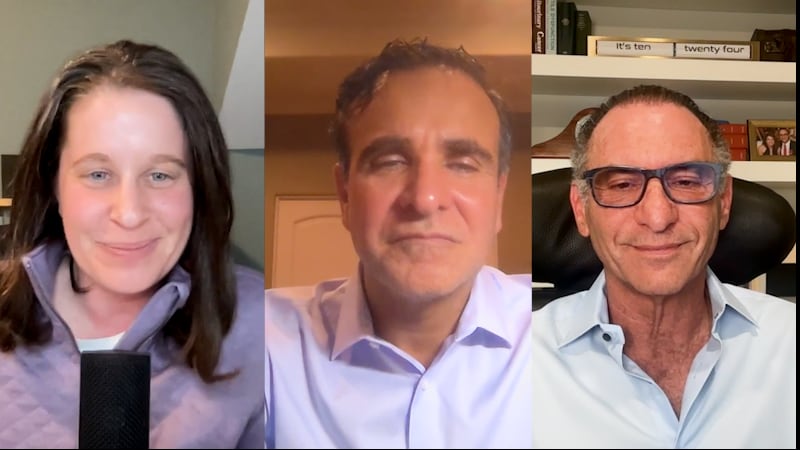
Mohit Khera, MD, recaps key takeaways from FDA panel on TRT for men | Urology Times
Mohit Khera, MD, MBA, MPH, recaps key takeaways from an FDA expert panel discussion on testosterone replacement therapy for men.
Mohit Khera, MD, MBA, MPH, recaps key takeaways from an FDA expert panel discussion on testosterone replacement therapy for men.
In a recent interview with Urology Times®, Mohit Khera, MD, MBA, MPH, recapped key takeaways from an FDA expert panel discussion on labeling for testosterone replacement therapy (TRT) for men. According to Khera, the meeting was a significant and historic moment, reflecting a shift in the FDA’s willingness to reassess long-standing positions on testosterone.
Khera is the chair of urology and professor of urology at Baylor College of Medicine in Houston, Texas.
During the discussion, Khera highlighted several of the key points that were shared across the panel of experts.
Notably, the panel addressed the outdated label language—particularly the inaccurate implication that TRT increases prostate cancer risk—and reconsidering testosterone’s classification as a Schedule III controlled substance, which he says creates unnecessary barriers to patient access.
Another major focus was the indication for use, specifically the concept of “age-related hypogonadism,” which Khera notes is a misleading term. Age-related declines in testosterone are generally driven by comorbidities such as diabetes or obesity, not by aging itself, he explained. Current medical society guidelines allow treatment for symptomatic men with documented low levels of testosterone, but the FDA label requires a specific underlying medical cause, creating misalignment between guidelines and regulatory language. According to Khera, this has resulted in confusion among both patients and physicians.
Overall, the panel recommended several actions to the FDA, including removing the risk of prostate cancer from the label, updating the indications for use, and requesting a recommendation for routine screening.
"These are things that we hope the FDA will take seriously. I'm sure they will. They seem very engaged, very interested today," Khera noted. "I think that it is probably going to involve further discussion over the next couple months, but [it is] definitely a move in the right direction. It was very refreshing to see how receptive the FDA was and willing to just at least listen and learn about these issues."