


madman
Super Moderator
S**t load of men injecting strictly sub-q!
Yes it is an effective modality for many!
* 8,517 were treated with sub-cutaneous testosterone injections (89.20%)
* Significant increases were observed in all 8 QoL domains, e.g., +1.26 points (95% confidence interval [CI]: 1.01 to 1.43) for libido. The mean increase in haematocrit by month 12 was 0.03 L/L (95% CI: 0.03 to 0.03). Trends and magnitude of increases in total and free testosterones and QoL did not differ between biochemical categories, with no difference in the rate of haematocrit exceeding 0.54 (p=0.18).
* The cohort comprised 9,537 men (median age 42 years). Mean follow-up was 8.47 months. 8,517 were treated with sub-cutaneous testosterone injections (89.20%), 366 were prescribed transdermal testosterone (3.84%), 7,079 were prescribed human chorionic gonadotropin (75.23%), 675 (7.08%) were prescribed clomiphene citrate, and 1,308 (13.72%) were prescribed tadalafil (men may have received >1 treatment).
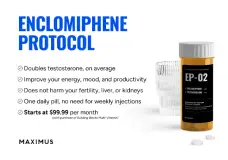
* In this service, the starting doses of testosterones were as follows: cypionate (0.5 mL of 200 mg/mL weekly, or 0.25 mL of 200 mg/mL twice per week, depending on patient preference [i.e., 100 mg cypionate weekly]), Testogel (16.2 mg/g, 3x pump actuations per day [i.e., 60.75 mg testogel daily]), enanthate (0.5 mL of 250 mg/mL once per week [i.e., 125 mg enanthate weekly]), and sustanon (1 mL of 250 mg/mL every 2 weeks [i.e., 250 mg sustanon per fortnight]). During follow-up, testosterone doses were titrated where necessary to maintain a total testosterone between 15–30 nmol/L. For hCG, a standard maintenance dose of 500 IU twice a week was used, unless men sought to preserve fertility, in which case they are prescribed 500 IU three times per week. The dose of hCG did not vary if a man was also concurrently prescribed testosterone. Clomiphene was initiated at 25 mg daily, which could be up-titrated to 50 mg daily based on tolerance.
For men prescribed TTh plus hCG, patients used both medications concurrently. Which medication was injected first was at the discretion of the individual patient. Most men in the service used TTh+hCG due to their desire to attain effective symptomatic relief with testosterone [6, 17, 18], but aim to mitigate testosterone’s effects on testicular function and/or size [19, 20].
* The QoL domains mirrored 8 of the 10 components of the qADAM questionnaire [15], covering: libido, energy levels, strength/endurance, life enjoyment, happiness, erection strength, work performance, and sports ability.
* TTh in a ‘real-world setting’ had a favourable safety profile and was associated with significant increases in men’s sexual function, energy levels, life enjoyment, and performance in both work and sport.

Abstract
Purpose
Trials of testosterone therapy (TTh) focus on transdermal or intramuscular preparations. In clinical practice, a range of administrations are utilised, often with adjunct therapies, but evidence is limited. This study characterised the safety and effectiveness of TTh over 12 months in a real-world setting.
Materials and Methods
A retrospective cohort study of adults treated by a men’s health provider in the United Kingdom for testosterone deficiency between 2019 and 2024. Mixed effects models and Kaplan–Meier methodology were used. Changes in total testosterone, free testosterone, haematocrit, and quality of life (QoL; Likert scales of 1–5) domains over 12 months were evaluated overall and by baseline testosterone-defined groups.
Results
The cohort comprised 9,537 men (median age 42 years). Mean follow-up was 8.47 months. 8,517 were treated with sub-cutaneous testosterone injections (89.20%), 366 were prescribed transdermal testosterone (3.84%), 7,079 were prescribed human chorionic gonadotropin (75.23%), 675 (7.08%) were prescribed clomiphene citrate, and 1,308 (13.72%) were prescribed tadalafil (men may have received >1 treatment). Significant increases were observed in all 8 QoL domains, e.g., +1.26 points (95% confidence interval [CI]: 1.01 to 1.43) for libido. The mean increase in haematocrit by month 12 was 0.03 L/L (95% CI: 0.03 to 0.03). Trends and magnitude of increases in total and free testosterones and QoL did not differ between biochemical categories, with no difference in the rate of haematocrit exceeding 0.54 (p=0.18).
Conclusion
TTh in a ‘real-world setting’ had a favourable safety profile and was associated with significant increases in men’s sexual function, energy levels, life enjoyment, and performance in both work and sport. Future studies should support development of nuanced algorithms considering age, symptom severity and testosterone profiles to identify men likely to benefit from TTh.
MATERIALS AND METHODS
2. Variables, outcomes, and comparators definitions
The outcomes of interest were changes in total testosterone, free testosterone, haematocrit (Hct), and QoL domain scores. The QoL domains mirrored 8 of the 10 components of the qADAM questionnaire [15], covering: libido, energy levels, strength/endurance, life enjoyment, happiness, erection strength, work performance, and sports ability. These were selected a priori on the basis of capturing important aspects of baseline symptomatology and extent of improvement. All domain ratings were Likert scales scored from 1 (most burdensome) to 5 (least burdensome/not affected).
3. Treatments
Treatment strategies for TD were prescribed by clinicians in consultation with patients regarding their individual preferences, goals and priorities. These included, for example, fertility goals (e.g., wish to avoid unopposed testosterone), willingness to avoid specific side effects (e.g., reduced testis size whilst on TTh), preferences on injection frequency, or where erectile function was the predominant concern (e.g., TTh plus tadalafil).
In this service, the starting doses of testosterones were as follows: cypionate (0.5 mL of 200 mg/mL weekly, or 0.25 mL of 200 mg/mL twice per week, depending on patient preference [i.e., 100 mg cypionate weekly]), Testogel (16.2 mg/g, 3x pump actuations per day [i.e., 60.75 mg testogel daily]), enanthate (0.5 mL of 250 mg/mL once per week [i.e., 125 mg enanthate weekly]), and sustanon (1 mL of 250 mg/mL every 2 weeks [i.e., 250 mg sustanon per fortnight]). During follow-up, testosterone doses were titrated where necessary to maintain a total testosterone between 15–30 nmol/L. For hCG, a standard maintenance dose of 500 IU twice a week was used, unless men sought to preserve fertility, in which case they are prescribed 500 IU three times per week. The dose of hCG did not vary if a man was also concurrently prescribed testosterone. Clomiphene was initiated at 25 mg daily, which could be up-titrated to 50 mg daily based on tolerance.
For men prescribed TTh plus hCG, patients used both medications concurrently. Which medication was injected first was at the discretion of the individual patient. Most men in the service used TTh+hCG due to their desire to attain effective symptomatic relief with testosterone [6, 17, 18], but aim to mitigate testosterone’s effects on testicular function and/or size [19, 20]. Evidence regarding the symptom alleviation with hCG monotherapy is limited [10, 11, 21]. This combination approach is supported as a conditional recommendation in the American Urological Association guidelines, and is motivated by: (1) relatively limited evidence on the symptomatic effects of hCG monotherapy compared to testosterone and (2) evidence from randomised studies demonstrating the effectiveness of co-administered lowdose hCG in retaining testicular function in men given exogenous testosterone [22]. Therefore, this strategy is rooted in targeting maximal symptomatic relief with testosterone with testicular side-effect mitigation provided by hCG [20].
DISCUSSION
1. Summary of key findings
In this longitudinal study of over 9,000 men undergoing treatment for TD, most of whom used sub-cutaneous injectable testosterone formulations with adjuncts such as hCG, we identified significant improvements in multiple domains of QoL and favourable safety data in terms of routine blood markers during 12 months of follow-up. These improvements in testosterone and QoL were observed irrespective of the category of biochemical TD at baseline. In contrast to existing RCT and observational evidence, which typically focus exclusively on TTh only compared against placebo, the present study incorporated a number of treatment strategies used in clinical practice. Our results therefore provide important evidence on the outcomes associated with treating TD in real-world settings.
Conclusions
Results from this large service evaluation showed that TTh in a ‘real-world’ clinical setting was associated with meaningful and significant increases in men’s sexual function, energy levels, life enjoyment, happiness, and performance in both work and sport. The safety of TTh strategies wherein men predominantly used subcutaneous testosterone (and were commonly prescribed testosterone-adjunct combination therapy) was favourable. Similarities in the trajectory, magnitude and speed of effect on QoL and testosterone parameters across categories of baseline biochemical profiles suggests that further, nuanced evaluation of the benefits and risks of TTh in different sub-groups could be useful in the identification of the most suitable candidates for TTh and minimise misuse. This could include developing age-specific cut-offs [41] or eligibility algorithms that consider age, testosterone profiles, and symptom severity. Ultimately, data from such studies could support the reconciliation of disparate guidelines. Future research should also generate evidence on the impacts of specific tailored treatment approaches, such as their effects on fertility preservation in hypogonadic men that have yet to complete their families, or the use of monotherapies that do not rely on exogenous testosterone.
Yes it is an effective modality for many!
* 8,517 were treated with sub-cutaneous testosterone injections (89.20%)
* Significant increases were observed in all 8 QoL domains, e.g., +1.26 points (95% confidence interval [CI]: 1.01 to 1.43) for libido. The mean increase in haematocrit by month 12 was 0.03 L/L (95% CI: 0.03 to 0.03). Trends and magnitude of increases in total and free testosterones and QoL did not differ between biochemical categories, with no difference in the rate of haematocrit exceeding 0.54 (p=0.18).
* The cohort comprised 9,537 men (median age 42 years). Mean follow-up was 8.47 months. 8,517 were treated with sub-cutaneous testosterone injections (89.20%), 366 were prescribed transdermal testosterone (3.84%), 7,079 were prescribed human chorionic gonadotropin (75.23%), 675 (7.08%) were prescribed clomiphene citrate, and 1,308 (13.72%) were prescribed tadalafil (men may have received >1 treatment).
* In this service, the starting doses of testosterones were as follows: cypionate (0.5 mL of 200 mg/mL weekly, or 0.25 mL of 200 mg/mL twice per week, depending on patient preference [i.e., 100 mg cypionate weekly]), Testogel (16.2 mg/g, 3x pump actuations per day [i.e., 60.75 mg testogel daily]), enanthate (0.5 mL of 250 mg/mL once per week [i.e., 125 mg enanthate weekly]), and sustanon (1 mL of 250 mg/mL every 2 weeks [i.e., 250 mg sustanon per fortnight]). During follow-up, testosterone doses were titrated where necessary to maintain a total testosterone between 15–30 nmol/L. For hCG, a standard maintenance dose of 500 IU twice a week was used, unless men sought to preserve fertility, in which case they are prescribed 500 IU three times per week. The dose of hCG did not vary if a man was also concurrently prescribed testosterone. Clomiphene was initiated at 25 mg daily, which could be up-titrated to 50 mg daily based on tolerance.
For men prescribed TTh plus hCG, patients used both medications concurrently. Which medication was injected first was at the discretion of the individual patient. Most men in the service used TTh+hCG due to their desire to attain effective symptomatic relief with testosterone [6, 17, 18], but aim to mitigate testosterone’s effects on testicular function and/or size [19, 20].
* The QoL domains mirrored 8 of the 10 components of the qADAM questionnaire [15], covering: libido, energy levels, strength/endurance, life enjoyment, happiness, erection strength, work performance, and sports ability.
* TTh in a ‘real-world setting’ had a favourable safety profile and was associated with significant increases in men’s sexual function, energy levels, life enjoyment, and performance in both work and sport.
Real-World Outcomes and Safety of Testosterone Therapy: A Longitudinal, Retrospective Cohort Study of Over 9,000 Men
Clift AK, et al. World J Mens Health. 2026 Jan;44:e6. https://doi.org/10.5534/wjmh.250245
wjmh.org
Abstract
Purpose
Trials of testosterone therapy (TTh) focus on transdermal or intramuscular preparations. In clinical practice, a range of administrations are utilised, often with adjunct therapies, but evidence is limited. This study characterised the safety and effectiveness of TTh over 12 months in a real-world setting.
Materials and Methods
A retrospective cohort study of adults treated by a men’s health provider in the United Kingdom for testosterone deficiency between 2019 and 2024. Mixed effects models and Kaplan–Meier methodology were used. Changes in total testosterone, free testosterone, haematocrit, and quality of life (QoL; Likert scales of 1–5) domains over 12 months were evaluated overall and by baseline testosterone-defined groups.
Results
The cohort comprised 9,537 men (median age 42 years). Mean follow-up was 8.47 months. 8,517 were treated with sub-cutaneous testosterone injections (89.20%), 366 were prescribed transdermal testosterone (3.84%), 7,079 were prescribed human chorionic gonadotropin (75.23%), 675 (7.08%) were prescribed clomiphene citrate, and 1,308 (13.72%) were prescribed tadalafil (men may have received >1 treatment). Significant increases were observed in all 8 QoL domains, e.g., +1.26 points (95% confidence interval [CI]: 1.01 to 1.43) for libido. The mean increase in haematocrit by month 12 was 0.03 L/L (95% CI: 0.03 to 0.03). Trends and magnitude of increases in total and free testosterones and QoL did not differ between biochemical categories, with no difference in the rate of haematocrit exceeding 0.54 (p=0.18).
Conclusion
TTh in a ‘real-world setting’ had a favourable safety profile and was associated with significant increases in men’s sexual function, energy levels, life enjoyment, and performance in both work and sport. Future studies should support development of nuanced algorithms considering age, symptom severity and testosterone profiles to identify men likely to benefit from TTh.
MATERIALS AND METHODS
2. Variables, outcomes, and comparators definitions
The outcomes of interest were changes in total testosterone, free testosterone, haematocrit (Hct), and QoL domain scores. The QoL domains mirrored 8 of the 10 components of the qADAM questionnaire [15], covering: libido, energy levels, strength/endurance, life enjoyment, happiness, erection strength, work performance, and sports ability. These were selected a priori on the basis of capturing important aspects of baseline symptomatology and extent of improvement. All domain ratings were Likert scales scored from 1 (most burdensome) to 5 (least burdensome/not affected).
3. Treatments
Treatment strategies for TD were prescribed by clinicians in consultation with patients regarding their individual preferences, goals and priorities. These included, for example, fertility goals (e.g., wish to avoid unopposed testosterone), willingness to avoid specific side effects (e.g., reduced testis size whilst on TTh), preferences on injection frequency, or where erectile function was the predominant concern (e.g., TTh plus tadalafil).
In this service, the starting doses of testosterones were as follows: cypionate (0.5 mL of 200 mg/mL weekly, or 0.25 mL of 200 mg/mL twice per week, depending on patient preference [i.e., 100 mg cypionate weekly]), Testogel (16.2 mg/g, 3x pump actuations per day [i.e., 60.75 mg testogel daily]), enanthate (0.5 mL of 250 mg/mL once per week [i.e., 125 mg enanthate weekly]), and sustanon (1 mL of 250 mg/mL every 2 weeks [i.e., 250 mg sustanon per fortnight]). During follow-up, testosterone doses were titrated where necessary to maintain a total testosterone between 15–30 nmol/L. For hCG, a standard maintenance dose of 500 IU twice a week was used, unless men sought to preserve fertility, in which case they are prescribed 500 IU three times per week. The dose of hCG did not vary if a man was also concurrently prescribed testosterone. Clomiphene was initiated at 25 mg daily, which could be up-titrated to 50 mg daily based on tolerance.
For men prescribed TTh plus hCG, patients used both medications concurrently. Which medication was injected first was at the discretion of the individual patient. Most men in the service used TTh+hCG due to their desire to attain effective symptomatic relief with testosterone [6, 17, 18], but aim to mitigate testosterone’s effects on testicular function and/or size [19, 20]. Evidence regarding the symptom alleviation with hCG monotherapy is limited [10, 11, 21]. This combination approach is supported as a conditional recommendation in the American Urological Association guidelines, and is motivated by: (1) relatively limited evidence on the symptomatic effects of hCG monotherapy compared to testosterone and (2) evidence from randomised studies demonstrating the effectiveness of co-administered lowdose hCG in retaining testicular function in men given exogenous testosterone [22]. Therefore, this strategy is rooted in targeting maximal symptomatic relief with testosterone with testicular side-effect mitigation provided by hCG [20].
DISCUSSION
1. Summary of key findings
In this longitudinal study of over 9,000 men undergoing treatment for TD, most of whom used sub-cutaneous injectable testosterone formulations with adjuncts such as hCG, we identified significant improvements in multiple domains of QoL and favourable safety data in terms of routine blood markers during 12 months of follow-up. These improvements in testosterone and QoL were observed irrespective of the category of biochemical TD at baseline. In contrast to existing RCT and observational evidence, which typically focus exclusively on TTh only compared against placebo, the present study incorporated a number of treatment strategies used in clinical practice. Our results therefore provide important evidence on the outcomes associated with treating TD in real-world settings.
Conclusions
Results from this large service evaluation showed that TTh in a ‘real-world’ clinical setting was associated with meaningful and significant increases in men’s sexual function, energy levels, life enjoyment, happiness, and performance in both work and sport. The safety of TTh strategies wherein men predominantly used subcutaneous testosterone (and were commonly prescribed testosterone-adjunct combination therapy) was favourable. Similarities in the trajectory, magnitude and speed of effect on QoL and testosterone parameters across categories of baseline biochemical profiles suggests that further, nuanced evaluation of the benefits and risks of TTh in different sub-groups could be useful in the identification of the most suitable candidates for TTh and minimise misuse. This could include developing age-specific cut-offs [41] or eligibility algorithms that consider age, testosterone profiles, and symptom severity. Ultimately, data from such studies could support the reconciliation of disparate guidelines. Future research should also generate evidence on the impacts of specific tailored treatment approaches, such as their effects on fertility preservation in hypogonadic men that have yet to complete their families, or the use of monotherapies that do not rely on exogenous testosterone.