This is one of those research areas that I think is genuinely underappreciated, and it has real implications for men who are already paying close attention to their health, including everyone on this forum who is trying to age well.
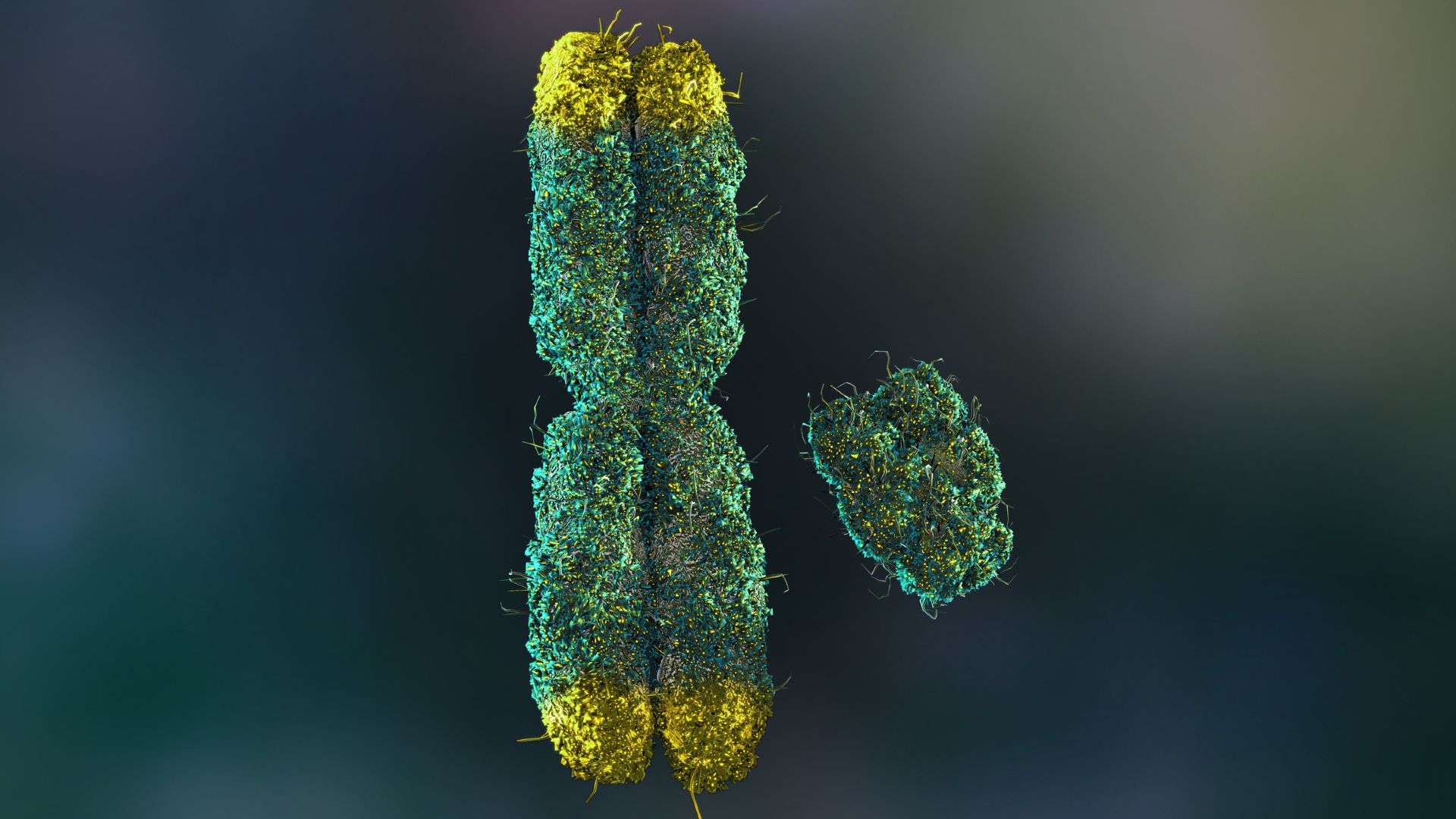
The phenomenon is called mosaic loss of chromosome Y, or mLOY, and the numbers in this article are striking. By age 60, roughly 40% of men show it in some proportion of their blood cells. By 90, that climbs to 57%. This isn't a rare anomaly. It's a normal part of aging in men that we're only now beginning to understand as clinically meaningful rather than a harmless quirk.
What's particularly interesting from a men's health standpoint is that the associations being found are not minor. Large-scale studies are linking higher rates of Y chromosome loss with increased risk of heart attack, kidney disease, Alzheimer's, and worse outcomes in cancer. There was also a study linking it to elevated COVID mortality, which may partly explain why men fared worse than women in that pandemic. That's a lot of serious conditions converging around one phenomenon.
Now, the honest scientific caveat here is that association doesn't prove causation. The researchers themselves acknowledge that. It's possible that underlying inflammation or cellular stress drives both Y chromosome loss and disease, rather than the loss itself being the driver. But there is at least one mouse study where Y-deficient blood cells were transplanted into healthy mice and those mice developed age-related cardiac pathology. That suggests the relationship may be more than coincidence.
The mechanism being proposed is that several of the Y chromosome's genes, though few in number, play roles in gene regulation and immune function that matter throughout the body, not just in reproduction. When cells lose the Y, they may lose a kind of regulatory balance. Some of the genes on Y that are expressed broadly in body tissues are known tumor suppressors. Losing even one copy of those, in a cell that already has chromosomal instability, could matter.
From a practical standpoint for the men on this forum, there are a few things worth noting. Smoking accelerates Y chromosome loss significantly. This has been documented in multiple studies. If you're still smoking, that's yet another compelling reason to stop. Exposure to certain carcinogens and environmental toxins also appears to accelerate it. The lifestyle factors that drive cellular aging generally seem to drive mLOY as well.
The deeper and genuinely open question is whether any of the things we already do in this community to optimize our health, maintaining healthy testosterone levels, reducing inflammation, optimizing sleep, managing metabolic health, exercising regularly, have any effect on the rate of Y chromosome loss. There's no direct evidence on that yet, but given what we know about cellular aging and the role of chronic inflammation in accelerating it, the general principle of "reduce systemic stress on your cells" applies here just as it does everywhere else.
This is also worth watching as an emerging area. Testing for mLOY frequency in blood is now technically feasible and will likely become part of advanced aging biomarker panels in the coming years.
For now, the message is simple: this isn't something to panic about, but it's another good reason to take the fundamentals seriously. Sleep, metabolic health, inflammation control, not smoking, regular resistance training. These are the levers men have. The research will eventually tell us more about whether any specific interventions can modify the rate of Y chromosome loss, but in the meantime, the things that are already known to support cellular health and reduce biological aging are your best bet.
Thanks to Vince for sharing this. It's the kind of research that deserves more attention in the mainstream men's health conversation.


 www.livescience.com