How An Erection Works

Screenshot (19834).png


In this video, Jonathan from the Institute of Human Anatomy discusses the mechanism behind human erections.
  • 00:00 Erectile function is crucial for reproduction, and understanding its mechanisms is essential, especially for addressing erectile dysfunction.
  • 01:16 Stimulation for initiating erections can be psychological or tactile, with the most sensitive area being the glans penis, which triggers a reflexive response.
  • 03:19 Erectile function primarily involves reflexive activation of the parasympathetic nervous system, which controls the smooth muscle of the penis.
  • 04:03 Testosterone plays a significant role in erectile function, affecting libido and overall sexual health.
  • 07:53 ⚡ Nitric oxide release in erectile tissues causes vasodilation, increasing blood flow and facilitating erection.
The pudendal nerve plays a significant role in erectile function. It carries autonomic, sensory, and motor fibers to the genital region, regulating erectile and ejaculatory functions. Pudendal neuralgia can lead to sexual dysfunctions, including erectile dysfunction (ED), premature ejaculation, and persistent genital arousal disorder. Studies have shown that pudendal nerve and/or artery entrapment is a reversible cause of multiple sexual dysfunctions, and interventions such as anesthetic injections, neurolysis, and decompression have been reported as potential treatment modalities[1][2]. Additionally, there is evidence that pudendal canal decompression can improve erectile dysfunction caused by pudendal canal syndrome[3]. Therefore, the pudendal nerve is closely associated with erectile function, and its entrapment or dysfunction can lead to various sexual dysfunctions, including ED.

Citations:
[1] Sexual dysfunction due to pudendal neuralgia: a systematic review
[2] Sexual dysfunction due to pudendal neuralgia: a systematic review - Aoun - Translational Andrology and Urology
[3] Pudendal canal decompression in the treatment of erectile dysfunction - PubMed
[4] Successful Treatment of Penile Numbness and Erectile Dysfunction Resulting From Pudendal Nerve Entrapment
[5] Erectile Dysfunction Secondary to Pudendal Nerve Injury Complicating Orthopedic Surgery: Practical Recommandations | Naouar | Journal of Current Surgery

 
Last edited by a moderator:



Great stuff!

It's really a miracle of nature to get an erection! So many variables!

I am 100% sure that my S1-S2 diskectomy screwed up my erections.

Note: Letsgetchecked testosterone tests are not as accurate as LC/MS testosterone tests.
Indeed. Most people take for granted the functions performed in some of our body parts are enabled by nerves smaller than a human hair. Cellular and vascular functions grinding out their jobs to feed them and here we are wondering why they don't work the same after 70 years.
 
Listen closely 45:04-47:32

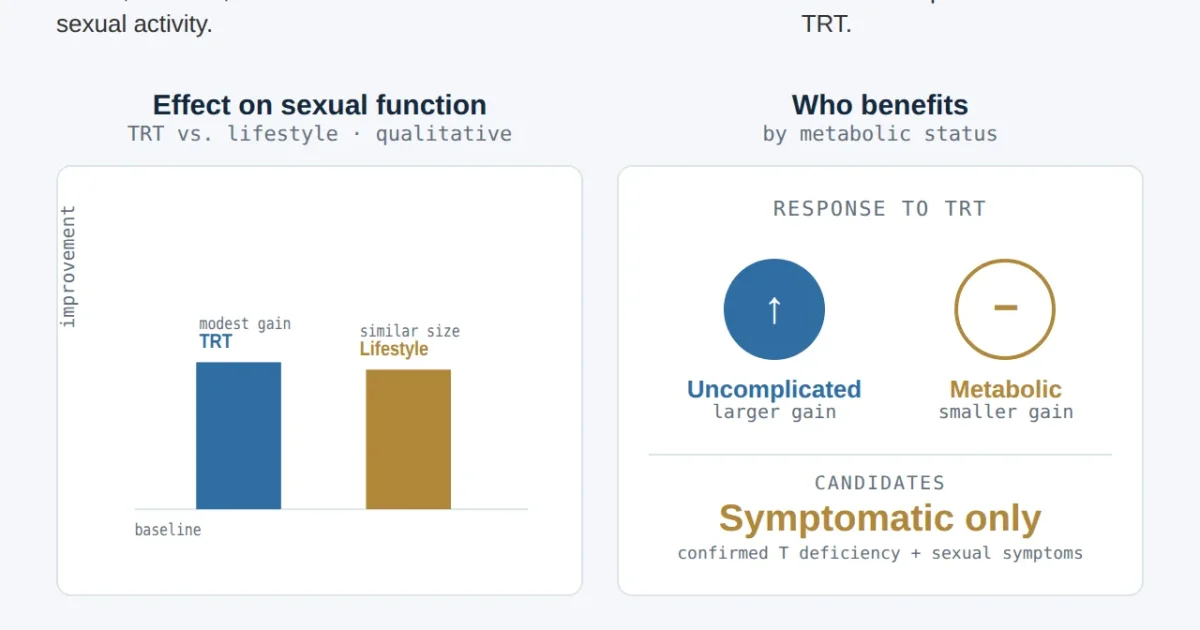
The T level needed for normal erectile physiology is much lower than many men are led to believe!

Dr. Peter Bajic

* In all of the literature that I have read, in all the textbooks that I have read, the guideline panels that I have sat on, data that we have reviewed over and over again to my knowledge there is no conclusive evidence to suggest that testosterone impacts function of the venous-occlusive mechanism specifically whether or not the valves are closing but definitely TESTOSTERONE ACTS IN A PERMISSIVE FASHION FOR NORMAL ERECTILE PHYSIOLOGY, so the whole pathway that Viagra and Cialis work on or PDE5 inhibitors, PDE5 is a normal component in erectile physiology that pathway which Im not going to delve into because its super complicated even for me you have to have an adequate amount of testosterone there for that whole thing to work, this is why men who are on androgen suppression therapy or hormone suppression therapy for prostate cancer most of them not all of them most of them when there testosterone goes to 0 they have a very hard time getting an erection and Viagra and Cialis don't work because they don't have any testosterone, but that NUMBER HOW MUCH TESTOSTERONE DO YOU NEED TO TURN THAT LIGHT SWITCH ON IS NOT A 1000 ng/dL LIKE SOME TESTOSTERONE SHOPS MIGHT TRY TO CONVINCE YOU, ITS PROBABLY SOMEWHERE IN THE RANGE 200-250 ng/dL OKAY SO HAVING JUST KINDA LIKE A NORMAL LEVEL, EVEN LOW-NORMAL IS USUALLY ENOUGH FOR THAT PHYSIOLOGIC FUNCTION


ExcelMale Newsletter Signup

Online statistics

Members online
4
Guests online
383
Total visitors
387

Latest posts

Members online

Beyond Testosterone Podcast

Back
Top